


How Does A Drum Handler Work?

When it comes to loading and unloading drums in warehouses, factories, or other industrial settings, the use of a drum handler is essential. These machines are specifically designed to safely lift and manoeuvre heavy drums, making them an invaluable tool for workers in various industries.
But how exactly does a drum handler work? Today, we will explore the inner workings of this equipment and explore its functions in more detail.
Components of a Drum Handler
A typical drum handler consists of several key components that work together to make lifting and moving drums easier. These include:
- Forklift attachment: A drum handler can be attached to the front forks of a forklift truck, allowing the forklift driver to operate it. This makes it convenient and efficient, as one person can operate both the forklift and drum handler.
- Mast: The mast is the vertical part of the drum handler that supports and lifts the drums. It is usually equipped with hydraulic cylinders to provide lifting power.
- Gripping mechanism: This component securely grips onto the drums, so they can be lifted without risk of slipping or falling.
How Does a Drum Handler Work?
Now that we know about its basic components, let’s take a closer look at how a drum handler works:
1) Attachment to Forklift
The first step in using a drum handler is to attach it to the front forks of a forklift truck. The attachment points may vary depending on the specific model of drum handler, but they are usually secured with bolts or pins.
2) Positioning
Once attached, the forklift driver carefully positions the drum handler to align it with the drums that need to be lifted.
3) Gripping and Lifting
Using the hydraulic controls on the forklift, the operator activates the gripping mechanism to securely hold onto the drums. They then use the lifting controls to raise the mast, which in turn lifts and supports the drums off the ground.
4) Maneuvering
With the drums now suspended in mid-air, the forklift can move them to their desired location. The operator can use the forklift’s steering and drive controls to move the drums with precision.
3) Lowering and Release
Once the drums have been transported to their destination, the operator uses the hydraulic controls to lower the mast and release the grip on the drums. The drum handler can then be detached from the forklift and stored until its next use.
Benefits of Using a Drum Handler
There are several advantages to using a drum handler, including:
- Increased efficiency: With a drum handler, one person can easily handle multiple drums simultaneously, saving time and effort.
- Safety: Drum handlers are designed specifically for lifting and moving heavy drums in an ergonomic and safe manner, reducing the risk of injury to workers.
- Versatility: Drum handlers can be used for various types of drums, including steel, plastic, and fibre drums.
- Cost-effective: By streamlining the process of loading and unloading drums, a drum handler can help reduce labour costs in the long run.
Takeaway
A drum handler is an essential piece of equipment for any business that regularly deals with heavy drums. Its simple yet efficient design allows safe and convenient handling of drums, resulting in increased productivity and improved workplace safety.
So if you haven’t already invested in one, it may be time to consider adding a drum handler to your list of industrial equipment. With its various benefits and ease of use, it can make a significant difference in day-to-day operations.
Keep your workforce safe and efficient by utilising the power of a drum handler.

There are many factors that contribute to the safety of loading ramps, but one of the most important is the angle at which it is set. The angle of a loading ramp can greatly affect its stability and ability to support heavy loads, making it an essential aspect to consider when choosing or using a loading ramp.
In this guide, we will discuss how to determine a safe vehicle loading ramp angle and provide tips on how to ensure maximum safety when using a loading ramp.
Why is the Ramp Angle Important?
Before we dive into determining a safe loading ramp angle, let’s first understand why it is so crucial.
The angle of a loading ramp determines how steep or flat it will be when in use. A steep ramp may make it easier for vehicles to climb up, but also increases the risk of accidents, such as tip-overs or slide-offs.
On the other hand, a flat ramp may be safer for vehicles to climb on, but it can also make it more challenging for heavier loads to move up. Finding the right balance is essential in ensuring both vehicle and operator safety.
Factors Affecting Ramp Angle
Before discussing how to determine a safe ramp angle, it is important to understand the different factors that can affect its stability. These include:
- Type of Ramp: There are various types of loading ramps, such as straight, arched, and folding ramps. Each type may have a different recommended angle for safe use.
- Weight Capacity: The weight capacity of the ramp is another crucial factor in determining the safe angle. A higher weight capacity will require a steeper angle to maintain stability.
- Surface Conditions: The surface conditions where the ramp will be placed can also impact its stability. Uneven surfaces or slippery conditions may require a lower angle for safety.
Calculating Safe Ramp Angle
To determine a safe ramp angle, there are two key calculations that need to be made:
- Length of Ramp: Measure the distance from the ground to the top of where you want your vehicle loaded.
- Height of Ramp: Measure the distance from where you want your vehicle loaded to the ground.
Once you have these measurements, you can calculate the ramp angle using the following formula:
A = arctan (H/L) x 180/π
Where:
- A = Ramp Angle in degrees
- H = Height of Ramp
- L = Length of Ramp
Using this formula, you can easily determine the safe angle for your specific loading situation.
Tips for Safe Loading Ramp Use
In addition to calculating a safe ramp angle, there are other precautions that should be taken when using a loading ramp to ensure maximum safety and prevent accidents. These include:
- Properly Securing the Ramp: The ramp should be securely in place before loading any vehicles onto it to prevent it from slipping or shifting.
- Distributing Weight Evenly: When loading a vehicle, ensure the weight is evenly distributed on the ramp to avoid overloading one side and causing instability.
- Using Wheel Chocks: Placing wheel chocks at the bottom of the ramp can provide additional stability and prevent the vehicle from rolling off.
- Regular Maintenance: Inspecting and maintaining your loading ramp regularly can help identify potential safety hazards and ensure its safe use.
Takeaway
Knowing the safe vehicle loading ramp angle is crucial in ensuring both operator and vehicle safety. By considering factors such as weight capacity, surface conditions, and calculating the appropriate angle, you can determine a safe angle for your specific loading situation.
Additionally, following proper precautions when using a ramp can further minimise the risk of accidents and ensure a smooth and safe loading process. So, always be mindful of the ramp angle while loading vehicles to prevent any mishaps.
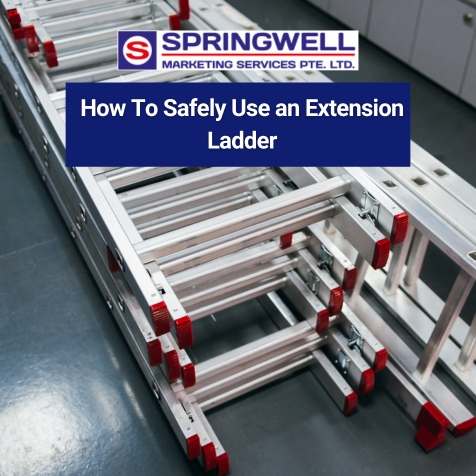
An extension ladder is a versatile and essential tool in any home or workplace. It provides extra reach and height when needed for various tasks, such as cleaning gutters, painting walls, or replacing light bulbs.
However, using an extension ladder can be dangerous if not done correctly. Today, we will discuss how to safely use an extension ladder.
Inspect the Ladder Before Use
Before using an extension ladder, it is crucial to inspect it for any damages or defects that could compromise its safety. Look for cracks, dents, loose screws, or rust on the rungs and side rails. Also, ensure all safety locks and ropes are in good condition.
If you notice any issues, do not use the ladder and replace or repair it first. Using a damaged ladder can lead to accidents and injuries.
Choose a Stable Location
When setting up your extension ladder, choose a stable and level surface. Avoid using the ladder on uneven ground or soft surfaces, such as grass or gravel.
The feet of the ladder should also be secure and firmly planted on the ground. You can use rubber pads under the feet for added stability.
Properly Extend the Ladder
To ensure maximum safety, extend the ladder properly by following these steps:
- Place the ladder on a flat surface and fully extend it, making sure all sections lock into place.
- Check that the rungs are level and secure.
- Securely fasten any rope or locks to prevent the ladder from collapsing.
- If using an extension ladder against a wall, make sure the top of the ladder extends at least three feet above the support point.
Use Proper Climbing Techniques
When climbing an extension ladder, it is essential to use proper techniques to avoid accidents. Follow these guidelines:
- Always face the ladder when climbing up or down.
- Maintain three points of contact at all times, meaning two hands and one foot or two feet and one hand should be on the ladder.
- Do not overreach while standing on the ladder. Instead, climb down and reposition the ladder if needed.
- Never stand on the top three rungs of an extension ladder.
Take Precautions in Windy Weather
Using an extension ladder in windy conditions can be dangerous. If possible, avoid using a ladder during strong winds or gusts.
If you must use it, ensure you secure the ladder by tying it to a stable structure or having someone hold onto the base for added stability.
Also, be cautious of any overhead power lines and avoid using the ladder near them.
Takeaway
Using an extension ladder can make many tasks easier and more efficient. However, it is crucial to prioritise safety when using one. Always inspect the ladder before use, choose a stable surface, extend it properly, follow proper climbing techniques, and take precautions in windy weather.
By following these guidelines, you can safely use an extension ladder for all your household or workplace needs.

Choosing the right pallet truck can greatly impact the efficiency and productivity of warehouse operations. With various options available in the market, it can be overwhelming to determine which one is best suited for your specific needs.
Today, we will discuss the various types of pallet trucks and their specific uses to help you make an informed decision.
Types of Pallet Trucks
1) Manual Pallet Truck
Also known as a hand pallet truck, this type is powered by manual pumping or pushing. It is suitable for light to medium weight loads and works well on smooth surfaces, such as concrete floors.
The advantage of a manual pallet truck is its affordability and ease of maintenance.
2) Electric Pallet Truck
This type is powered by electricity, eliminating manual pumping or pushing. It can handle heavier loads and is more suitable for longer distances or uneven surfaces.
The drawback is that it requires charging and has a higher upfront cost compared to a manual pallet truck.
3) High Lift Pallet Truck
A high lift pallet truck, also known as a scissor lift pallet truck, has an additional feature of lifting pallets to heights above ground level. This makes it ideal for working in confined spaces or transporting goods to different levels within a warehouse.
However, it is not suitable for heavy loads and has a higher cost compared to other types of pallet trucks.
4) All-Terrain Pallet Truck
This type is specifically designed to handle rough terrain, such as gravel, dirt, or grass. It has large wheels and a sturdy frame that can withstand uneven surfaces and outdoor environments.
It is ideal for construction sites or warehouses that require frequent movement of goods between indoor and outdoor areas.
5) Specialty Pallet Trucks
There are also specialised pallet truck options available in the market, such as narrow aisle pallet trucks, galvanised pallet trucks (for use in cold storage facilities), and stainless steel pallet trucks (for use in food industry warehouses).
These options cater to specific needs and should be considered if your warehouse operations require such specialised equipment.
Factors to Consider
a) Weight Capacity
The weight capacity of a pallet truck is an important factor to consider, as it directly affects its performance and safety.
Make sure to accurately measure the weight of your heaviest loads, and choose a pallet truck with a higher weight capacity than that.
b) Operating Environment
Consider the surface on which the pallet truck will primarily operate, whether it is smooth concrete floors, rough outdoor terrain, or cold storage facilities.
This will help determine the type of pallet truck best suited for your environment.
c) Usage Frequency
If you require frequent and heavy use of a pallet truck, investing in a higher quality and more durable option would be beneficial in the long run.
However, if it is only used occasionally or for lighter loads, a more affordable option may suffice.
Takeaway
Choosing the best pallet truck for your warehouse operations involves considering various factors, such as weight capacity, operating environment, and usage frequency.
It is important to assess your specific needs and determine which type of pallet truck would be most efficient and cost-effective for your business. With the right choice, you can improve productivity and streamline operations in your warehouse.

Trolley vs Dolly: Understanding the Differences
When it comes to transporting heavy items, trolleys and dollies are two commonly used tools. While they may seem similar at first glance, there are important differences between the two that make them suitable for different purposes.
Today, we will explore the world of trolleys and dollies, and help you understand their differences so you can choose the right one for your needs.
What is a Trolley?
A trolley, also known as a hand truck or sack truck, is a wheeled device with handles on either side that allows you to easily move heavy objects from one place to another. It typically has two large wheels at the back and two smaller wheels at the front, making it easy to manoeuver even in tight spaces.
Trolleys come in various sizes and shapes, with some having a flat base for carrying boxes or other items, while others have a curved base specifically designed for transporting cylindrical objects like barrels or drums. Some trolleys also come equipped with straps or hooks to secure the load during transportation.
Uses of Trolley
Trolleys are commonly used in warehouses, factories, retail stores, and construction sites for moving heavy items such as boxes, furniture, appliances, and equipment. They are also useful for transporting goods in the shipping and delivery industries.
Advantages of Trolley
- Easily portable: Trolleys are lightweight and can be easily folded or disassembled for convenient storage and transportation.
- Manoeuvrability: The large wheels and handles make it easy to navigate through different surfaces, including rough terrain.
- Trolleys are designed to handle heavy loads, making them ideal for transporting bulky items without straining the user.
What is a Dolly?
A dolly, also known as a hand cart or platform truck, is a flat device with four wheels that can carry large and bulky items. Unlike trolleys, dollies do not have handles, but instead rely on the user to push or pull it from behind.
They come in various sizes, with some having a single platform, while others have multiple levels for carrying different items.
Uses of Dolly
Dollies are commonly used in warehouses, retail stores, and moving companies for transporting heavy and bulky items such as furniture, appliances, and boxes. They are also useful in industries that require manual handling of goods, such as event planning and catering.
Advantages of Dolly
- Versatility: Dollies can come in different sizes and shapes, making them suitable for a wide range of items.
- Stability: With four wheels, dollies offer more stability compared to trolleys, especially when transporting large and heavy items.
- Larger capacity: Dollies are designed to carry heavier loads than trolleys, making them ideal for moving furniture or other bulky items.
Key Differences between Trolley and Dolly
1) Design
The most obvious difference between trolleys and dollies is their design.
Trolleys have handles for pushing or pulling, while dollies do not. This allows trolleys to navigate through tight spaces more easily, while dollies are better suited for transporting larger and bulkier items.
2) Load Capacity
Trolleys and dollies also differ in their load capacities. Trolleys typically have a smaller load capacity, while dollies can handle heavier loads.
This is because trolleys rely on the user’s strength to move the load, while dollies have four wheels that evenly distribute the weight.
3) Maneuverability
Due to their design and smaller size, trolleys are more manoeuvrable than dollies. They can be easily turned and moved in different directions, making them ideal for navigating through narrow spaces or around obstacles.
On the other hand, due to their larger size and bulkier design, dollies are not as manoeuvrable and require more space to turn or change direction.
Takeaway
In conclusion, while trolleys and dollies may have similar functions, they are designed for different purposes and have distinct advantages. Trolleys are great for moving smaller and lighter items in tight spaces, while dollies excel at transporting larger and heavier loads.
Understanding these differences will help you choose the right tool for your specific transportation needs. So next time you need to move something heavy, consider whether a trolley or dolly would be the most suitable option.