


Safety Precautions to Remember When Using a Material Lift

Material lifts, also known as vertical personnel lifting systems, are essential equipment that allows workers to safely lift materials to different heights.
Whether you are working on a construction site, in a warehouse, or anywhere where heavy materials need to be lifted, material lifts can greatly enhance safety and efficiency.
However, like any other industrial machinery, using material lifts requires proper training and safety precautions. Failure to follow these measures could lead to serious injuries or even fatalities.
Today, we will discuss the important safety precautions that should always be remembered when using a material lift.
1) Proper Training
Before operating a material lift, it is crucial to receive proper training from a qualified individual. This should include understanding the equipment’s controls, load capacity, and safety features.
Only trained and authorised personnel should be allowed to operate material lifts. It is also important to regularly refresh training and stay up-to-date with any changes or updates in the equipment’s operation.
2) Inspection of Equipment
Before using a material lift, it is essential to perform a thorough inspection of the equipment. This includes checking for any visible damage, such as dents or cracks, as well as ensuring all safety features are functional.
Any damaged or malfunctioning parts should be reported and repaired before use. Regular maintenance checks should also be conducted to keep the equipment in safe working condition.
3) Proper Use of Personal Protective Equipment (PPE)
Wearing appropriate PPE is crucial when operating a material lift. This includes hard hats, safety glasses, and high-visibility vests to protect against falling objects.
Non-slip and steel-toed boots should also be worn to prevent foot injuries.
Additionally, workers should avoid wearing loose clothing or jewellery that could get caught in the equipment.
4) Load Capacity Limits
Every material lift has a maximum load capacity limit that should never be exceeded. It is important to carefully read and follow the manufacturer’s instructions for the specific weight limits of each model.
Overloading a material lift can cause the equipment to tip over or malfunction, putting both the operator and other workers at risk.
5) Securely Fasten Materials
Materials should be securely attached to the platform of the material lift before lifting. This prevents them from falling or shifting during transport, which could cause injuries to workers below.
Additionally, materials should never be stacked higher than the designated height limit on the platform.
6) Proper Use and Positioning of Outriggers
Outriggers are essential safety features that provide stability and support for material lifts.
Before operating a lift, it is important to ensure that the outriggers are properly extended and secured in place according to the manufacturer’s instructions. The lift should also be positioned on a level surface to prevent tipping.
7) Communication and Awareness
Effective communication and awareness are crucial when using material lifts.
Workers operating the lift should communicate with workers on the ground to ensure they are clear of potential hazards or obstructions. They should also be aware of their surroundings, including overhead power lines or other equipment in the area.
Takeaway
Material lifts are valuable tools that can greatly improve safety and efficiency in various work environments. However, it is important to remember that they are powerful machinery and should be treated with caution and respect.
By following these safety precautions, workers can minimise the risk of accidents or injuries when using material lifts. Remember to always prioritise safety above all else when operating any industrial equipment.

In the world of material handling and construction, aerial work platforms have become an essential tool for workers. These machines provide a safer and more efficient way to work at heights, eliminating ladders or scaffolding.
With advances in technology, aerial work platforms now come in various types and sizes to cater to different industries and jobs.
Types of Aerial Work Platforms
There are several types of aerial work platforms, including scissor lifts, boom lifts, and personnel lifts. Each type has its unique features and benefits that make them suitable for various tasks.
Scissor Lifts
These are vertical machines with folding supports to lift the platform vertically.
They come in different sizes, from small electric indoor models to large diesel-powered outdoor models. Scissor lifts are ideal for indoor maintenance and construction tasks.
Boom Lifts
Boom lifts are versatile machines that offer both horizontal reach and vertical lift.
They come in two types: articulated boom lifts, which have arms that bend, and telescopic boom lifts, which extend straight out. These machines are perfect for jobs that require reaching over obstacles or accessing hard-to-reach areas.
Personnel Lifts
Personnel lifts, also known as vertical mast lifts, are compact and lightweight machines that can fit through narrow doorways and tight spaces.
They are commonly used for indoor maintenance tasks, such as changing light bulbs or accessing high shelves.
Advantages of Using an Aerial Work Platform
a) Increased Safety
One of the most significant advantages of using aerial work platforms is improved safety for workers. These machines provide a stable platform with guardrails, reducing the risk of falls and injuries.
b) Efficiency
Aerial work platforms allow workers to complete tasks at height more efficiently. They can move quickly, saving time and effort compared to ladders or scaffolding.
c) Versatility
With various types and sizes available, aerial work platforms can cater to a wide range of tasks and environments. This versatility makes them suitable for use in different industries, such as construction, maintenance, and warehousing.
d) Cost Savings
While the initial cost of purchasing or renting an aerial work platform may seem high, it can save money in the long run. These machines increase productivity, reduce labour costs, and decrease the risk of accidents and injuries.
Safety Tips for Using Aerial Work Platforms
To ensure the safety of workers while using aerial work platforms, it is essential to follow some safety guidelines:
- Proper Training: Operators should receive proper training on how to operate the specific type of aerial work platform they will be using. They should also understand the safety precautions and emergency procedures.
- Inspection: Before use, the aerial work platform should be thoroughly inspected for any damages or malfunctions. If any issues are found, the machine should not be used until it is repaired.
- Fall Protection: Workers using aerial work platforms must wear appropriate fall protection gear, such as a harness and lanyard, at all times.
- Proper Placement: The aerial work platform should be placed on stable ground and away from any hazards, such as power lines or uneven surfaces.
- Weight Limit: Aerial work platforms have weight limits that should be strictly adhered to for safe operation.
Takeaway
Aerial work platforms are an essential tool in the material handling and construction industries. They provide a safer and more efficient way to work at heights, increasing productivity and reducing the risk of accidents and injuries.
By understanding the different types of aerial work platforms, their advantages, and following safety guidelines, workers can effectively use these machines to enhance their work processes.
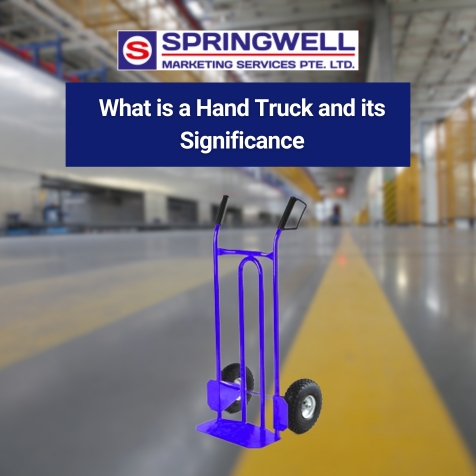
Material handling can be a challenging and labour-intensive task, especially when it comes to moving heavy or bulky objects.
Thankfully, the invention of hand trucks has made this job much easier and more efficient. A hand truck, also known as a dolly or sack truck, is a simple yet powerful device used for transporting goods over short distances.
History and Evolution
The history of hand trucks dates back to the early 18th century, where they were first used by French wine merchants to transport barrels of wine. However, it was not until the early 20th century that hand trucks began to be manufactured and sold commercially.
Over time, hand trucks have undergone various modifications and improvements to cater to different industries and applications. Today, there are several types of hand trucks available, such as upright, convertible, and speciality hand trucks.
Design and Components
A typical hand truck consists of a metal or aluminium frame with two wheels at the base and a handlebar for pushing and pulling. The platform or bed of the hand truck is where the load is placed, and it may also have straps or hooks to secure the goods in place during transport.
The wheels of a hand truck can vary in size and material, depending on the intended use. Some hand trucks have solid rubber or plastic wheels, while others have pneumatic tires for better shock absorption.
Benefits and Applications
Hand trucks are widely used in various industries and applications, including warehousing, retail, delivery services, and home moving. They offer numerous benefits, such as:
a) Ergonomic Benefits
One of the significant benefits of using hand trucks is that it reduces the strain and physical exertion on workers.
Lifting and moving heavy items manually can lead to back injuries, strains, and sprains. Hand trucks allow workers to transport goods without having to carry them, decreasing the risk of workplace injuries.
b) Increased Productivity
Hand trucks also contribute to increased productivity in workplaces.
With the use of hand trucks, workers can move more items in a shorter amount of time, thereby increasing efficiency and productivity. This is especially beneficial in industries where speed and efficiency are crucial.
c) Versatility
Hand trucks come in various sizes, shapes, and designs to cater to different types of loads.
Some hand trucks have flat bases for carrying boxes or crates, while others have stair climbers for moving goods up and down stairs. This versatility makes hand trucks suitable for many industries and tasks.
d) Cost-Effective
Hand trucks are a cost-effective solution for material handling, as they require minimal maintenance and have a long lifespan.
They also eliminate the need for additional labour to move heavy items, saving businesses time and money.
Safety Considerations
While hand trucks may seem like a straightforward tool, there are still some safety considerations that need to be taken into account. These include:
- Proper training on how to operate and load the hand truck correctly
- Regular maintenance to ensure all components are in good working condition
- Use appropriate personal protective equipment when handling heavy or hazardous materials.
Takeaway
Hand trucks are versatile and cost-effective tools that provide significant benefits in the material handling industries. They not only reduce the physical strain on workers, but also increase productivity and efficiency.
By knowing how to use a hand truck correctly, businesses can ensure the safety of their workers and maximise the potential of this essential equipment.

Trailer jacks are an important piece of equipment for anyone who owns a trailer. They provide stability and support when loading, unloading, and hitching trailers onto vehicles.
However, with so many types of jacks available on the market, it can be overwhelming to know which one is the best for your needs. In this guide, we will discuss some important factors to consider before investing in trailer jacks.
Types of Trailer Jacks
There are three main types of trailer jacks: A-frame, swivel, and drop leg. Each type has its own unique features and benefits.
A-Frame Jacks:
- Most common type of jack, ideal for smaller trailers
- Easy to install and use
- Provides good stability and weight-bearing capacity
- Can be welded or bolted onto the trailer frame
Swivel Jacks:
- Ideal for larger trailers and RVs
- Features a swivelling mechanism that allows easy manoeuvrability
- Offers good stability, but may not have as high weight-bearing capacity as A-frame jacks
- Can often be found with a built-in wheel for easier movement
Drop Leg Jacks:
- Designed for heavy-duty use and larger trailers
- Features a longer adjustable leg that provides extra stability and weight-bearing capacity
- Can often be found with a built-in footplate for added support on soft or uneven surfaces
Factors to Consider Before Investing in Trailer Jacks
Now that you know the different types of trailer jacks, here are some important factors to consider before making a purchase:
- Weight Capacity: The weight capacity of the jack should match or exceed the tongue weight of your trailer. This will ensure the jack can safely support and lift your trailer.
- Durability: Look for jacks made from high-quality materials, such as steel or aluminium. They should also have corrosion-resistant coatings to withstand harsh weather conditions.
- Manoeuvrability: Consider the size and weight of the jack, as well as any additional features, such as wheels or swivel mechanisms, to determine how easy it will be to manoeuvre and use.
- Installation: Some jacks require welding or drilling onto the trailer frame, while others can be bolted on. Make sure to choose a jack compatible with your trailer and its frame.
- Price: Trailer jacks come in a wide range of prices. Consider your budget and the features you need before making a decision.
Maintenance Tips for Trailer Jacks
To ensure the longevity and proper functioning of your trailer jack, here are some maintenance tips to keep in mind:
- Regularly check for signs of wear and tear, such as rust or cracks.
- Keep the jack clean and free of debris to prevent damage.
- Lubricate moving parts with a silicone spray or grease to prevent corrosion and ensure smooth operation.
- Store the jack in a dry place when not in use to avoid moisture buildup.
Takeaway
Investing in a high-quality trailer jack is essential for safe and efficient towing. Consider the type, weight capacity, durability, manoeuvrability, installation process, and maintenance requirements before making a purchase.
With the right trailer jack, you can have peace of mind knowing that your trailer is stable and secure during transportation.

Workplace lifting and material handling are essential tasks in many industries.
Whether you work in construction, manufacturing, or warehousing, it is important to understand proper safety measures when lifting and moving materials. Failure to follow safe practices can lead to serious injuries to workers and damage to products.
Today, we will discuss the basics of workplace lifting and material handling safety, and provide some essential guidelines to follow.
Importance of Workplace Lifting and Material Handling Safety
Workplace lifting and material handling activities involve heavy machinery, equipment, and tools. These tasks require significant physical effort from workers, which increases their risk of injury.
According to the Occupational Safety and Health Administration (OSHA), overexertion and bodily reaction are leading causes of workplace injuries.
Injuries from improper lifting or material handling can lead to lost workdays, reduced productivity, and increased medical expenses for both workers and employers. In severe cases, these accidents can even lead to permanent disabilities or fatalities.
Hazards and Risks of Workplace Lifting and Material Handling
Before we dive into safety measures, it is important to understand the potential hazards and risks involved in workplace lifting and material handling. These include:
- Strains and sprains: Lifting heavy or awkward objects can strain your muscles and joints, causing strains or sprains.
- Back injuries: Incorrect lifting techniques or overexertion can lead to back injuries, which can be debilitating and have long-lasting effects.
- Falls: When handling materials on elevated surfaces or using ladders, there is a risk of falls that can lead to serious injuries.
- Crush injuries: Materials and equipment can fall or collapse onto workers, causing severe crush injuries.
- Repetitive strain injuries (RSIs): Repeated movements and improper handling of materials can lead to RSIs, such as carpal tunnel syndrome.
Safety Measures
To prevent these hazards and risks, it is crucial to follow safety measures when lifting and handling materials in the workplace. These include:
1) Proper Training
All workers involved in lifting and material handling tasks should receive proper training on safe techniques and procedures.
This includes knowing how to assess the weight of an object, using appropriate equipment, and understanding body mechanics for lifting.
2) Use of Proper Equipment
Using the right equipment can greatly reduce the risk of injuries. This may include forklifts, pallet jacks, cranes, or hoists. It is important to regularly inspect and maintain equipment to ensure it is in good working condition.
3) Assessing Weight and Size
Before attempting to lift or move an object, it is important to assess its weight and size. If an object is too heavy or awkward, it may require additional assistance or equipment.
4) Proper Lifting Techniques
When lifting objects manually, proper technique is crucial to avoid strains and injuries. This includes:
- Keeping the back straight and using leg muscles to lift, not the back.
- Holding objects close to the body.
- Avoid twisting or bending while lifting.
5) Using Mechanical Aids
Whenever possible, use mechanical aids, such as trolleys or carts, to move heavy or bulky objects. These can greatly reduce strain on workers and prevent injuries.
6) Good Housekeeping
Maintaining a clean and organised workspace can also contribute to safety when lifting and handling materials.
Keep walkways clear, store materials properly, and clean up any spills or debris to prevent trip hazards.
7) Proper Communication
Clear communication between workers is crucial in lifting and material handling tasks.
This includes using designated hand signals, ensuring everyone is aware of their roles and responsibilities, and communicating any potential hazards or concerns.
Takeaway
Workplace lifting and material handling may seem like simple tasks, but they can pose significant risks if proper safety measures are not followed.
By understanding the hazards and implementing best practices, you can create a safe working environment for yourself and your colleagues.
Looking to purchase material handling equipment? Springwell offers a wide range of high-quality equipment, including pallet jacks, drum handling containers and cranes. Contact us today to learn more.