


Choosing The Right Loading Ramp For Your Vehicles

If you own a business that involves transporting and loading equipment or vehicles, investing in the right loading ramp is crucial.
A loading ramp allows safe and easy movement of heavy items onto your truck, trailer, or other vehicles for transport. However, not all ramps are created equal.
Choosing the right one requires careful consideration of several factors to ensure maximum efficiency and safety.
Weight Capacity
Weight capacity is, by far, the most critical factor to consider when choosing a loading ramp. You must know the weight of the equipment or vehicles that you will be loading onto your trucks.
This information will help you determine the minimum weight capacity required for your ramp. It is always best to choose a ramp with a higher weight capacity than what you need, as it will provide an extra margin of safety and prevent overloading.
Length
The length of the loading ramp is also essential to consider. Longer ramps allow for a shallower incline, making it easier to load heavy equipment or vehicles.
They also provide more space for manoeuvering and positioning the equipment, reducing the risk of accidents.
However, longer ramps may not be suitable if you have limited space for storage or transportation. In such cases, you may need to consider a folding ramp that can be easily stored when not in use.
Material
Loading ramps are made from various materials, including aluminium, steel, and wood. Each material has its advantages and disadvantages.
- Aluminium ramps are lightweight, corrosion-resistant, and easy to handle but may not be suitable for heavy-duty use.
- Steel ramps are sturdy and durable but can be heavy and prone to rusting if not properly maintained.
- Wood ramps are affordable, lightweight, and have a good weight capacity, but they require regular maintenance to prevent rotting.
Safety Features
When it comes to loading equipment or vehicles onto trucks, safety should always be the top priority. Therefore, it is essential to consider the safety features of a loading ramp before making a purchase.
Look for ramps with non-slip surfaces, raised edges, and secure attachment points to prevent accidents and injuries. It is also helpful to choose ramps with safety straps or chains to further secure the equipment during loading and unloading.
Type of Loading Ramp
There are various types of loading ramps available in the market, each designed for a specific purpose.
For example, if you need to load vehicles with low clearance, a low-profile ramp would be the best option. If you have heavy equipment that requires extra support, a double-acting ramp with adjustable legs would be more suitable.
Consider your specific needs and choose a type of loading ramp that will provide maximum efficiency and safety.
Takeaway
Choosing the right loading ramp for your vehicles is crucial for the smooth and safe operation of your business.
Consider factors such as weight capacity, length, material, safety features, and type of ramp before making a purchase. It is also essential to regularly inspect and maintain your ramp to ensure it remains in good working condition.

An umbrella plastic bag dispenser is a device designed to hold and dispense plastic bags for use in case of rain. It is an essential accessory that can be used to carry an umbrella without getting wet or leaving any mess behind.
These dispensers come in various designs, materials, and sizes, making them versatile for different needs and preferences. They are commonly found in public places, such as shopping malls, hotels, and restaurants, to provide convenience for customers.
Functionality
The main function of an umbrella plastic bag dispenser is to hold and dispense plastic bags. This is achieved through a simple mechanism, where the bags are stacked inside the dispenser and can be easily pulled out when needed.
Some dispensers also have a separate compartment for used or wet bags to prevent them from mixing with the new ones.
Benefits
1) Protection from rain
The main benefit of using an umbrella plastic bag dispenser is that it provides protection from rain. It eliminates the need to carry a wet umbrella inside, avoiding any potential mess or damage.
2) Convenience
With a dispenser readily available, users can easily grab a plastic bag to cover their umbrella when it starts raining. This saves time and effort compared to searching for a plastic bag or using alternative methods, such as wrapping the umbrella in a jacket.
3) Environmentally friendly
Many umbrella plastic bag dispensers are made from recycled materials, making them an eco-friendly option for storing and using plastic bags.
4) Cost-effective
By using a dispenser, users can avoid buying expensive single-use rain covers or disposable umbrellas. This is not only cost-effective, but also reduces waste.
Usage
An umbrella plastic bag dispenser is typically used in the following situations:
- In public places, such as shopping malls, offices, and restaurants
- In homes or apartments with limited storage space for wet umbrellas
- In areas with frequent rain or unpredictable weather conditions
Types of Umbrella Plastic Bag Dispensers
There are various types of umbrella plastic bag dispensers available in the market. Some common styles include:
1) Wall-mounted dispenser
This type of dispenser is attached to a wall or surface, making it ideal for public places with high foot traffic. It allows easy access and minimises the risk of damage or theft.
2) Standalone dispenser
A standalone dispenser is usually placed on the floor and can hold more plastic bags than wall-mounted ones. It is commonly found in hotels and offices.
3) Portable dispenser
A portable dispenser is compact and lightweight, making it convenient to carry around. It is suitable for personal use, for small businesses with limited space.
Maintenance Tips
To ensure the longevity of an umbrella plastic bag dispenser, here are some maintenance tips to keep in mind:
- Regularly wipe down the dispenser with a damp cloth to remove any dust or dirt.
- Refill the dispenser when it is running low on plastic bags.
- Check for any damages and replace worn-out parts as needed.
Takeaway
An umbrella plastic bag dispenser is a useful and practical accessory that provides protection from rain and promotes environmental sustainability. With its various designs and types, it offers convenience for users in different settings.
By following proper maintenance tips, it can serve as a long-lasting and cost-effective solution for storing and using plastic bags during rainy weather. So, consider investing in an umbrella plastic bag dispenser for your home or business to make rainy days a little easier.
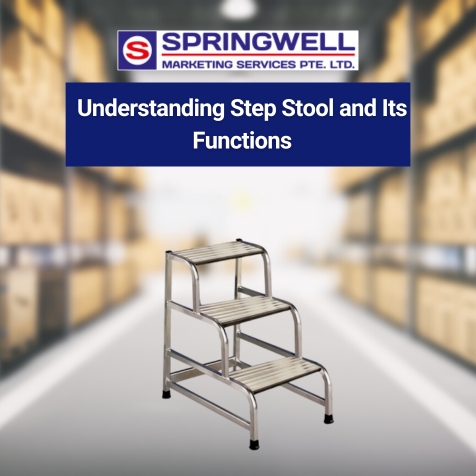
A step stool is a compact and portable tool that helps individuals reach items that are out of their reach. It offers an elevated platform, allowing the user to work safely and comfortably at a higher level.
Functions of a Step Stool
There are various functions of a step stool, which make it an essential item for every household or workplace. Some of the most common functions include:
a) Reaching High Objects
The primary function of a step stool is to help individuals reach objects placed at a higher level. It eliminates the need for climbing on chairs or countertops, which can be dangerous and unstable.
b) Assisting with Cleaning and Organizing
Step stools can also be used when cleaning or organising spaces, such as closets, shelves, and cabinets. It makes it easier to reach items placed on higher shelves or in deep corners.
c) Providing Support and Stability
Many step stools come with built-in handrails or grips, making them safer for seniors or individuals with limited mobility. They offer support and stability while standing, reducing the risk of falls.
d) Serving as a Temporary Seat
In situations where there are not enough chairs or seating options, step stools can serve as a temporary seat. However, it is important to note that they are not designed for prolonged sitting and may not be suitable for individuals with mobility issues.
e) Aiding in DIY Projects
Step stools can also be useful in various DIY projects. They provide an elevated platform, allowing individuals to work at a higher level and complete tasks such as painting, changing light bulbs, or repairing shelves.
f) Facilitating Children’s Activities
Step stools can also be helpful for children. It allows them to safely participate in activities that require reaching or standing at a higher level, such as helping with cooking or washing dishes.
Where And When Should A Step Stool Be Used?
Step stools can be used in various settings, such as homes, offices, hospitals, and even outdoors. Anywhere that requires reaching high places or objects can benefit from a step stool. Some common scenarios where step stools are used include:
- Kitchen: Step stools come in handy when trying to reach items stored on higher shelves or cabinets in the kitchen.
- Garage: Step stools are useful for reaching tools and equipment stored on high shelves or racks.
- Office: Employees may use step stools to reach items on top of their desks or shelves in an office setting.
- Hospitals: Medical professionals often use step stools to reach medical supplies stored on high cabinets or shelves.
- Outdoors: Step stools can be used for tasks such as trimming trees or reaching items on high outdoor shelves.
Takeaway
Step stools are versatile and practical tools that offer various functions. They provide a safe and convenient way to reach objects at a higher level, assist with cleaning and organising tasks, and can even serve as temporary seating options.
With their compact and portable design, step stools are a must-have item for every household or workplace. So, investing in a high-quality step stool can make everyday tasks easier and safer for everyone.

Ladders are an essential tool used in various professions and industries, from construction to home maintenance. They provide a safe and effective way to reach high areas otherwise unreachable.
Choosing the right ladder for your specific needs is crucial, as it can greatly improve efficiency and productivity. In this guide, we will discuss how selecting the appropriate ladder can help you work more efficiently.
Safety First
Before diving into efficiency, it’s important to note that safety should always be the top priority when choosing a ladder.
Make sure to select a ladder that is appropriate for your weight and meets all necessary safety standards. It’s also essential to inspect the ladder regularly for any damages or defects.
Factors to Consider
When selecting a ladder, there are several factors to consider. These include the type of work you will be doing, the height you need to reach, and the weight capacity of the ladder.
Each of these factors plays a vital role in determining which ladder is the best fit for your specific needs.
Type of Work
The type of work you will be doing is crucial in choosing the right ladder. For example, if you are working on a construction site, you may need a heavier and sturdier ladder compared to one used for home maintenance.
Additionally, the type of surface you will be working on should also be taken into consideration. If you are working on uneven or slippery surfaces, a ladder with anti-slip feet would be more appropriate.
Height
Another important factor to consider is the height you need to reach. Ladders come in various sizes, and it’s essential to choose one that can safely reach the desired height.
Using a ladder too short can cause injuries, as you may need to overextend yourself, while using a ladder too tall can be unstable.
Weight Capacity
The weight capacity of the ladder is another critical factor to consider. It’s important to select a ladder that can support your weight and the weight of any tools or materials you will be carrying while on the ladder.
Exceeding the weight limit of a ladder can lead to accidents and injuries.
Efficiency and Productivity
Choosing the right ladder for your specific needs can greatly improve efficiency and productivity.
A sturdy and appropriate ladder makes it easier to reach high areas, reducing the time and effort required to complete a task. This can lead to increased productivity and allows you to accomplish more in a shorter period.
Takeaway
So whether you’re a professional tradespeople or a DIY enthusiast, choosing the right ladder can make all the difference in improving efficiency and getting the job done effectively.
Keep these tips in mind when selecting your next ladder to ensure maximum safety and productivity. So, make sure to invest in a high-quality ladder that meets all your specific needs for a more efficient and productive work experience.
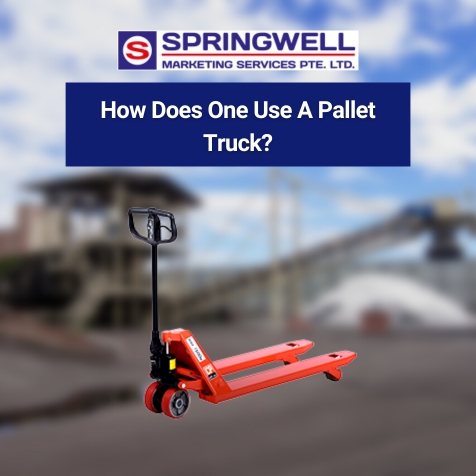
Pallet trucks are one of the most commonly used equipment in warehouses and factories. They are used to lift and move heavy loads, often on pallets.
Pallet trucks come in different types and sizes, but they all have a similar basic design – a pair of forks or tines that slide under the pallet and lift it up.
Today, we will discuss the different types of pallet trucks, how to properly use them, and some safety precautions to keep in mind.
Types of Pallet Trucks
Manual Pallet Trucks
Manual pallet trucks are powered by human force – the operator pumps a lever or handle to lift and move the load. They are simple and easy to operate, making them popular for smaller warehouses or businesses with a limited budget.
However, manual pallet trucks have a lower weight capacity and require more physical effort from the operator.
Electric Pallet Trucks
Electric pallet trucks are powered by batteries or electricity, making them ideal for larger warehouses or businesses with heavier loads. They are more expensive than manual pallet trucks but require less physical effort to operate.
Some electric pallet trucks also come with additional features such as adjustable forks or power-assisted steering.
Using a Pallet Truck
1) Pre-Operation Check
Before using a pallet truck, it is important to perform a pre-operation check. This includes checking for any visible damage, ensuring the load is within the weight capacity of the pallet truck, and inspecting the wheels and forks for any defects.
2) Positioning the Pallet Truck
Position the pallet truck in front of the load with enough clearance for the forks to slide under. Make sure the wheels are straight and parallel to the pallet.
3) Lifting the Load
Using the lever or handle, pump up the pallet truck until the forks are just below the bottom of the pallet. Make sure both forks are evenly positioned under the pallet to prevent it from tipping over.
4) Moving the Load
Once the load is lifted, you can use the handle to steer and manoeuvre the pallet truck to its desired location. Take slow and steady movements, and always make sure to keep an eye out for any obstacles or potential hazards.
Safety Precautions
- Wear appropriate safety gear such as steel-toed boots and gloves when operating a pallet truck.
- Do not exceed the weight capacity of the pallet truck to prevent accidents or damage to the equipment.
- Always keep your hands and feet clear from under the load, and never ride on a pallet truck.
- Be aware of your surroundings and watch out for any potential hazards or obstacles while operating a pallet truck.
Takeaway
Pallet trucks are essential equipment for warehouses and factories, allowing for efficient movement of heavy loads.
By understanding the different types of pallet trucks and following proper operating procedures and safety precautions, you can ensure a safe and productive work environment.