


How To Maintain Your Material Handling Equipment
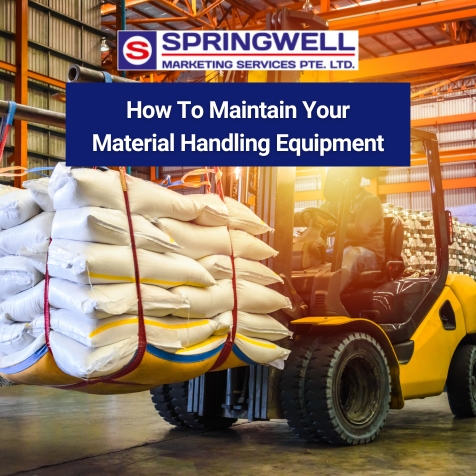
Material handling equipment is the backbone of any warehouse or distribution centre. They play a crucial role in ensuring smooth and efficient operations, from receiving to shipping. Just like any other equipment, regular maintenance is essential to keep this equipment functioning at its best.
Today, we will discuss some tips on how to maintain your material-handling equipment.
Inspect regularly
The first step in maintaining your material handling equipment is to conduct regular inspections.
This will help identify any potential issues or damages before they develop into major problems. Make sure to inspect all parts of the equipment, including the forklifts, conveyors, and pallet jacks.
Grease and lubricate
One of the most important maintenance tasks for material handling equipment is greasing and lubricating. This helps to reduce friction and wear on moving parts, extending the lifespan of your equipment.
Make sure to follow the manufacturer’s instructions on when and how often to grease and lubricate each piece of equipment.
Replace worn-out parts
With constant use, certain parts of your material handling equipment may become worn out or damaged. It is important to regularly check for any signs of wear and tear, such as cracks or deformities.
These parts should be replaced immediately to prevent any accidents or further damage to the equipment.
Train your employees
Proper usage and handling of material handling equipment is also key in their maintenance. Make sure to provide proper training to all employees who will be operating this equipment.
This will not only ensure their safety but also help in preventing any mishandling that may cause damage to the equipment.
Keep a clean workplace
A clean and organized workplace is crucial in maintaining material handling equipment. Dust, debris, and other contaminants can hinder the proper functioning of this equipment.
Regularly clean and sweep the area where this equipment is stored and used to prevent any build-up of dirt or debris.
Implement a maintenance schedule
To ensure that maintenance tasks are not overlooked, it is important to implement a regular maintenance schedule.
This can include daily, weekly, monthly and yearly tasks to be carried out on each equipment. Keep track of these schedules and make sure they are consistently followed.
Takeaway
Regular maintenance of material handling equipment is crucial in ensuring their longevity and efficiency. By following these tips, you can keep your equipment in top condition and avoid costly repairs or replacements.
Remember, a well-maintained warehouse is a safe and productive one. So make sure to prioritize the maintenance of your material handling equipment.
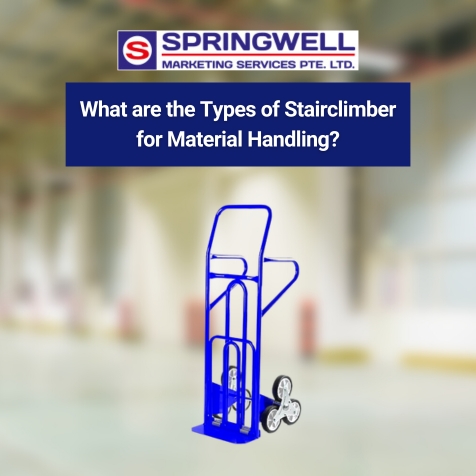
The use of stairclimbers as a means of material handling has become increasingly popular in recent years due to their ability to efficiently move heavy and bulky loads up and down stairs.
These machines are designed to make the task of transporting goods easier, safer, and more efficient for workers.
Types of Stairclimbers
1) Manual Stairclimbers
Manual stairclimbers are the most basic type of stairclimber and are powered by human energy.
They typically consist of a pair of wheels or tracks that grip onto the stairs and a handle for pushing or pulling the load. These types of stair climbers are ideal for smaller loads and shorter distances.
2) Electric Stairclimbers
Electric stairclimbers are powered by electricity and require minimal physical effort from the operator.
They have a motor that drives the wheels or tracks, making it easier to manoeuvre heavier loads and climb longer flights of stairs. Some electric stair climbers come with features such as adjustable speed settings and safety sensors.
3) Motorized Stairclimbers
Motorized stairclimbers are similar to electric stairclimbers in that they also use electricity as their power source.
However, these types of stairclimbers have more advanced features such as a motorized lift for loading and unloading the load onto the stairs. They are typically used for extremely heavy or bulky loads that cannot be moved manually.
Factors to Consider When Choosing a Stairclimber
- Load Capacity: It is important to consider the weight and dimensions of your load when choosing a stairclimber. Make sure it can handle the weight and size of your load.
- Stair Type: Different types of stairclimbers are designed to work on different types of stairs, such as straight or curved. Be sure to choose one that is suitable for your specific staircase.
- Manoeuvrability: Consider the manoeuvrability of the stairclimber, including its turning radius and ability to navigate corners or tight spaces.
- Safety Features: Look for safety features such as brake systems, anti-tip mechanisms, and stability controls to ensure the safe operation of the stairclimber.
Benefits of Using a Stairclimber for Material Handling
1) Increases Efficiency
Stairclimbers eliminate the need for manual lifting and carrying of loads, making the material handling process more efficient and less physically demanding.
2) Reduces Risk of Injury
By removing the strain of carrying heavy loads up and down stairs, stairclimbers help reduce the risk of injuries to workers.
3) Versatility
Stairclimbers can be used in a variety of settings and for various types of loads, making them a versatile choice for material handling.
4) Cost-effective:
Investing in a stairclimber can save money on labour costs and prevent damage to goods that may occur during manual transport.
Takeaway
The use of stairclimbers for material handling provides numerous benefits, including increased efficiency, reduced risk of injuries, and versatility.
Understanding the different types of stairclimbers available and considering important factors when choosing one can help ensure the safe and efficient handling of materials in any workplace.

Designed to lift and move heavy objects, jib cranes are an essential piece of equipment in many industries. They consist of a horizontal beam (jib) that is mounted on a vertical support pillar or wall.
Jib cranes come in various sizes and configurations, making them suitable for different lifting needs.
Safety First
Before operating a jib crane, it is crucial to ensure that all safety measures are in place. This includes checking the crane’s condition, inspecting the surrounding area for potential hazards, and wearing appropriate personal protective equipment (PPE) such as hard hats and safety glasses.
It is also essential to have a clear understanding of the maximum load capacity of the crane and never exceed it. Overloading a jib crane can lead to serious accidents and damage to the crane itself.
Operating a Jib Crane
1) Familiarize yourself with the controls
The first step in operating a jib crane is to familiarize yourself with its controls. This includes the hoist and hoist motor, trolley, and bridge controls. It is crucial to understand how each control works independently and together.
2) Positioning the load
Positioning the load correctly is crucial for the safe and efficient operation of a jib crane.
Make sure the load is centred on the hook, and adjust the hoisting mechanism to ensure it does not swing or sway.
3) Lifting the load
To lift the load, slowly engage the hoist control and monitor the movement of the load.
If there is any sign of instability or if the crane starts to sway, stop immediately and reassess the positioning of the load.
4) Secure the load
Once the load is securely attached to the hook, use straps or chains to secure it further.
Once the load is lifted to the desired height, use the hoist control to lock it in place. Double-check that the load is secure before moving the crane.
5) Test the load
Before moving the load, it is essential to test its stability by lifting it a few inches off the ground and slowly lowering it back down. If the load shifts or appears unbalanced, reposition it before proceeding.
6) Lift the load
Using the hoist controls, begin lifting the load gently. Avoid sudden movements or jerks, as this can cause instability.
When ready to move the load, use the slewing control to rotate the jib crane in the desired direction. Be sure to communicate with any helpers on the ground to ensure a safe and smooth movement.
7) Lowering and unloading the load
To lower the load, use the hoist control to gradually lower it onto the ground. Make sure to keep a safe distance from the load and never stand directly underneath it.
Once the load is safely on the ground, use rigging equipment to detach it from the hook and remove any straps or chains used to secure it.
Maintenance and Inspections
Regular maintenance and inspections are crucial for the safe operation of a jib crane. This includes checking and lubricating all moving parts, inspecting cables and chains for damage or wear, and ensuring all safety features are in working order.
It is recommended to have a qualified technician perform an annual inspection to identify any potential issues and ensure compliance with safety regulations.
Takeaway
Jib cranes are an essential piece of equipment for lifting heavy loads in various industries.
However, proper training and understanding of safety protocols are crucial for operating them safely. Always follow the manufacturer’s instructions and recommended safety measures to ensure a safe and efficient operation.

When it comes to protecting your valuable assets, a security cage is an essential investment. Whether you are storing expensive equipment or sensitive information, a security cage provides the necessary protection against theft and unauthorized access.
However, before making a purchase decision, there are several factors that you should consider. Today, we will discuss some of the most important things to keep in mind before buying a security cage.
Material and Durability
One of the first things to consider is the material of the security cage. The most common options include steel, aluminium, and wire mesh. Each material has its strengths and weaknesses, so it is important to choose one that suits your specific needs.
For example, if you require a high level of strength and durability, steel would be the best choice. On the other hand, if you need a lightweight and corrosion-resistant option, aluminium would be a better fit.
Another important factor to consider is the durability of the cage. You want to ensure that it can withstand any potential threats or damage, whether from natural elements or human interference.
Size and Capacity
The size and capacity of the security cage should also be taken into consideration. You need to determine the dimensions of your cage based on the items you plan to store inside. It is important to have enough space to properly secure and organize your belongings.
Additionally, make sure to check the weight capacity of the cage. You want it to be able to hold all your items without compromising its structural integrity.
Locking Mechanism
The locking mechanism of the security cage is another crucial factor to consider. This is what will keep your belongings safe from any unauthorized access. There are various options available, including padlocks, combination locks, and electronic locks.
It is important to choose a locking mechanism that meets your specific security needs. For example, if you need to provide access to multiple individuals, an electronic lock with different access codes would be more practical.
Installation and Maintenance
Before making a purchase, it is important to consider the installation and maintenance process of the security cage. Some cages may require professional installation, while others can be easily assembled by yourself.
Additionally, make sure to ask about the maintenance requirements of the cage. Regular upkeep and inspections are essential for ensuring the longevity of your investment and the security of your assets.
Local Regulations
Last but not least, it is crucial to be aware of any local regulations or codes that may affect the installation of a security cage. Some areas may have specific requirements for security measures in commercial or residential buildings.
Make sure to do research and consult with professionals if needed to ensure that your chosen security cage complies with all necessary regulations.
Takeaway
A security cage is an important investment for protecting your valuable assets.
By considering these factors before making a purchase, you can ensure that you choose the right cage to meet your specific needs and provide the necessary protection for your belongings.
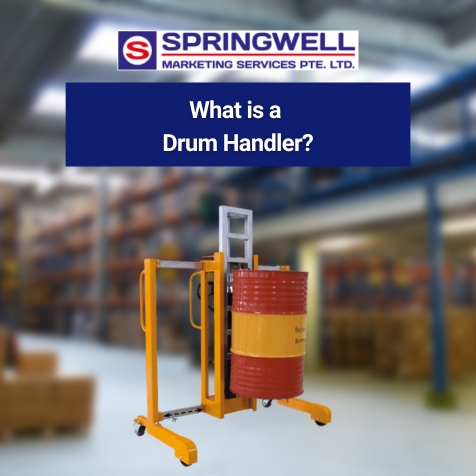
A drum handler is equipment that is used to handle and transport drums easily and safely in industrial facilities. Drums are commonly used in different industries for storing, transporting, or dispensing various materials such as chemicals, oils, liquids, and powders.
Functionality
Drum handlers come in various types and designs, but they all serve the same purpose of moving drums efficiently and securely. They are typically equipped with specialized attachments like forklifts or crane hooks that can be used to lift and move heavy drums.
Some models also have powered features such as electric motors or hydraulic systems, which make handling even more effortless.
Where Does Drum Handler Come In Handy?
Drum handlers are commonly used in industries where drums are frequently handled, loaded, or unloaded. Some of these include:
1) Chemical Plants
Drums containing hazardous chemicals require careful handling and transportation, which can be done efficiently and safely using drum handlers.
2) Oil Refineries
Large barrels of oil need to be moved around the facility regularly, and a drum handler can make the process more manageable.
3) Food processing plants
Drum handlers are commonly used in food production facilities for handling ingredients such as oils, syrups, and powders.
4) Pharmaceutical industry
In pharmaceutical manufacturing, drums are used to store and transport various materials that require careful handling. A drum handler ensures the safe and efficient movement of these drums.
Benefits of Using a Drum Handler
Using a drum handler offers numerous benefits for businesses that handle drums regularly. Some of the advantages include:
1) Increased efficiency
With a drum handler, workers can quickly move and position drums without manual handling, saving time and effort.
2) Improved safety
Manual handling of drums can pose safety risks such as strains or back injuries to workers. A drum handler eliminates these risks and promotes a safer work environment.
3) Cost-effectiveness
Investing in a drum handler can save businesses money in the long run by reducing labour costs, preventing damage to drums, and minimizing workplace injuries.
4) Versatility
Drum handlers are designed to handle different types and sizes of drums, making them suitable for various industries such as pharmaceuticals, food production, and chemical manufacturing.
5) Customization options
Some drum handler manufacturers offer customization options to meet specific requirements of different industries or products.
Takeaway
A drum handler is a valuable tool for businesses that handle drums regularly. It offers various benefits, including increased efficiency, improved safety, cost-effectiveness, and versatility.
With different types and customization options available, there’s a perfect drum handler for every industry and application. Consider investing in one to enhance your drum handling processes and improve overall workplace safety.