


10 Safety Tips When Using a Work Platform
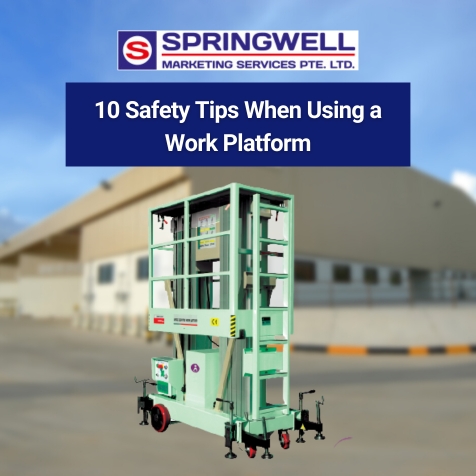
A work platform refers to a surface that can be used for work or can serve as a way to enter or leave a work area. For example, scaffolding, ladders, and platform lifts are all types of work platforms.
Given the potential dangers of working at height, all tasks conducted at such elevations should be approached with caution and carried out on a work platform safely.
How to Safely Use a Work Platform
1) Inspect the Work Platform
Before use, it is important to inspect all work platforms, including ladders, scaffolds, and tower cranes, for any defects or damages that could compromise safety.
Additionally, make sure that the work platform is stable and properly secured. Check all hardware used to fasten the platform and take all necessary safety precautions.
2) Wear Appropriate Safety Gear
It is important to wear safety equipment like hard hats and goggles when using a work platform. Make sure the gear fits properly and is comfortable before using it, and ensure that all straps are tightened appropriately.
If you are working with hazardous materials, you may require additional protective gear. Before starting any job that necessitates more safety equipment, always consult a qualified expert for advice.
3) Secure All Loads
Any materials or objects being transported with the work platform should be properly secured. This includes any tools you may be using, as well as any heavy items like scaffolding boards or poles.
Make sure all loads are even and that nothing is unbalanced when moving them up and down the platform.
4) Use Fall Protection Equipment
Fall protection equipment should be used whenever possible when working at height on a work platform. Such equipment includes harnesses, lanyards, guardrails and safety nets.
Depending on the type of work being done, other fall protection equipment may be required as well. Consult with a qualified professional to ensure that appropriate fall protection is used for any specific job.
5) Avoid Overloading Platforms
Make sure not to overload a work platform with either people or materials.
Exceeding the weight limit can result in serious injury and even death, so it is important to respect the manufacturer’s recommendations and guidelines when loading a work platform.
6) Check Weather Conditions
Weather conditions can have a significant impact on how safe it is to use a work platform. Check the local weather forecast before starting any job and adjust your plans accordingly.
For example, high winds can make a work platform more dangerous to use and should be avoided in such conditions.
7) Secure Platforms When Not in Use
When the work is complete, or if you are taking a break from using the work platform, make sure that it is secured and balanced so that no one can accidentally use it while unattended. This can help in preventing any unnecessary accidents.
8) Maintain Communication
When working at height, it is important to maintain communication with those below. This will help ensure that everyone is aware of where you are and what you are doing on the work platform.
Make sure to have a clear plan for communication before starting any job and be sure to check in periodically to make sure that everything is going as planned.
9) Avoid Distractions
Distractions can be extremely dangerous when working at height on a work platform, so it is essential that you remain focused and alert at all times.
If possible, avoid using electronic devices or listening to music while working on the equipment.
10) Have a Backup Plan
Always have a backup plan for any situation that might arise when working with a work platform. This can include emergency procedures, escape routes and contact numbers in case of an accident.
By having a plan in place, you can be better prepared to handle any unexpected situations that may occur while using the equipment.
Takeaway
Using a work platform can be a safe and efficient way to complete certain tasks. However, it is important to follow all safety guidelines when using such equipment to ensure your safety and the safety of those around you.

A roll container is a versatile storage and transport device used in many industries. It helps in preventing muscle pains among workers due to continuous manual lifting and provides an easy way to move large quantities of goods in a short period.
Using a roll container to transport goods or materials presents its own set of safety hazards and considerations. Therefore, it is important to understand how to work safely with this equipment to minimize the risk of injury or damage to goods.
Safety Precaution when Using a Roll Container
1) Inspect the Roll Container
Before you place any goods inside the roll container, it is important to inspect the equipment. Make sure that all parts of the container are in good condition and functioning properly.
Pay particular attention to the wheels, brakes, casters, and handles – these should be checked regularly for signs of wear or damage.
2) Secure Heavy Goods
When loading a heavy item into the roll container, make sure to secure it properly. This can usually be done by placing a strap or similar device around the item.
Also, when transporting heavy goods, consider using a dolly or other support device to provide extra stability and reduce the risk of tipping.
3) Maintain Balance when Moving
When moving a roll container, make sure that the load is balanced. This means keeping the weight evenly distributed across the entire length of the container to prevent it from tipping over.
Also, make sure to use both hands and keep the item close to your body when pushing it. This will help you maintain better control and reduce the risk of injury.
4) Choose an Appropriate Pathway
When transporting a roll container, make sure to choose a pathway that is wide enough to accommodate the size and shape of the container. Avoid narrow pathways or tight corners as this can increase the risk of tipping.
It is also important to only use a roll container on firm, level ground to reduce any potential for tipping.
5) Choose an Appropriate Roll Container
When selecting a roll container, make sure to choose one that is appropriate for the type of goods you will be transporting. Make sure the size and shape of the container are suitable for your needs.
In addition, consider the load capacity of the container. Make sure that the total weight of your goods does not exceed the recommended weight limit for safe transport.
6) Wear the Right Gear
When working with a roll container, make sure to wear the appropriate safety gear. This includes gloves, closed-toe shoes and other protective clothing as necessary.
This will help reduce the risk of cuts or scrapes and provide a better grip on the metal surfaces of the equipment.
7) Engaging and Disengaging the Brakes
When transporting goods on a roll container, always make sure to disengage the brakes. This will ensure that the container moves freely and reduces the risk of it tipping over.
It is also important to remember to engage the brakes when you are not using the container, as this will prevent any accidental movement.
Takeaway
Using a roll container helps maximise efficiency in transporting goods and materials. However, it is essential to understand the safety precautions for working with this equipment to help reduce the risk of injury or damage.
By following the above safety guidelines and regularly checking the condition of your roll container, you can ensure safe and efficient use of this piece equipment.
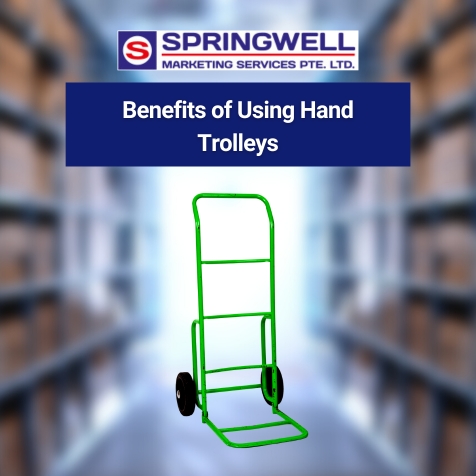
A hand trolley, also known as a dolly, is a type of cart or vehicle used to transport goods from one place to another. It is typically small, lightweight and easy to manoeuvre.
Hand trolleys are an essential tool for a wide range of applications, from home use to the commercial and industrial sectors. Whether you are moving boxes of groceries or heavy pieces of furniture, hand trolleys can provide a safe and efficient way to get the job done.
What are the Benefits of Hand Trolleys?
It is undeniable that hand trolleys are a great asset to any business, especially when it comes to efficiency and productivity. Here are some of the biggest benefits of using hand trolleys:
Benefit 1: Portability & Maneuverability
One of the primary advantages of hand trolleys is their portability and high manoeuvrability. With a lightweight frame and swivel caster wheels, these handy tools can be easily moved from room to room or transported from one location to another.
This makes it much easier for workers to move heavy items without putting strain on their bodies, reducing the risk of accidents or injury.
Benefit 2: Durability & Variety
Hand trolleys are designed to withstand rigorous use, making them ideal for a wide range of tasks.
They come with robust frames and wheels that can handle heavy loads and all kinds of terrain, from uneven floors to stairs. And with interchangeable panels and other accessories, these trolleys can be quickly adapted to suit a variety of tasks.
Benefit 3: Cost-effectiveness & Efficiency
As well as being affordable, these tools are also incredibly efficient. Thanks to their design, they facilitate the safe and speedy transportation of many items at once.
So you can save time and money on manual labour, allowing you to get more tasks done in less time. And with so many sizes available, it is easy to find one that is perfect for your needs.
Benefit 4: Environmental Impact
In addition to saving money and time, using a hand trolley can also help make a positive impact on the environment.
These trolleys are incredibly energy-efficient, requiring minimal energy usage while still being able to transport large loads. This makes them an ideal choice for businesses looking to reduce their carbon footprint and become more eco-friendly.
Benefit 5: Versatility
Hand trolleys are incredibly versatile and able to be used in various industries and applications.
From retail shops to warehouses, these trolleys can be used for a wide range of tasks such as transporting goods, equipment and materials. They’re also easy to manoeuvre in tight spaces, making them ideal for use in small areas.
Handling Hand Trolleys
It is safer to push a hand trolley instead of pulling it. Pulling can result in your feet getting run over or your toes getting squashed. Additionally, pulling backwards can lead to tripping and falling. Pushing provides better control and balance, making it a much safer option.
To ensure stability and ease of manoeuvrability when loading the trolley, place the heaviest items closest to the handle. Moreover, make sure to evenly distribute and fully secure all loads to prevent the trolley from toppling over.
Takeaway
To conclude, hand trolleys offer numerous benefits that make them an invaluable tool in any business. Their efficiency, durability, and versatile nature all combine to make them the perfect choice for transporting goods and materials quickly and safely.
By investing in quality hand trolleys, one can rest assured that their goods will be moved safely and securely at all times.
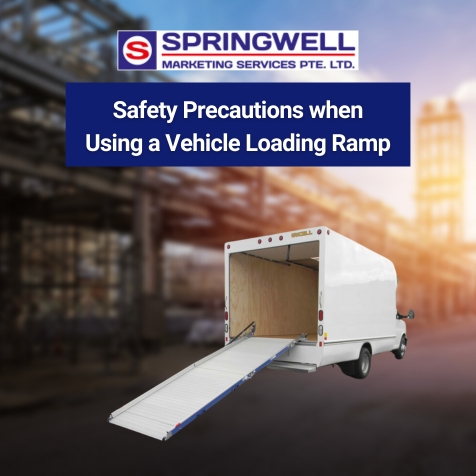
A vehicle loading ramp is a device used to safely load and unload goods from trucks, trailers, and other vehicles. They are an essential tool for anyone who regularly moves heavy items between vehicles or needs to access their cargo while on the road.
However, using a loading ramp can be hazardous if safety is not taken into account. It is essential to take some basic precautions when using a loading ramp to ensure the safety of yourself, your cargo, and your vehicle.
Here are some tips to help you stay safe when using a vehicle loading ramp:
Inspect Ramp Regularly
Inspect the ramp before use to make sure that it is free of any damage, warps, or cracks. If you find any imperfections, do not use the ramp and contact your supplier for a replacement.
Check for Debris and Water
Before loading any cargo onto the ramp, make sure to check for any debris or water on the surface of the ramp. These can cause slips and falls that can lead to serious injuries. If there is any debris or water present, use a broom or mop to clean it up before proceeding.
Alternatively, you can use a loading ramp with an anti-slip surface for safer loading and unloading process.
Follow Loading Instructions
Make sure you follow the recommended loading instructions for the ramp. Always check the weight capacity of your ramp to make sure it can safely handle the amount of cargo you are loading onto it.
If your ramp is not rated for the weight of your cargo, you should look into getting a stronger ramp.
Secure Ramp to Vehicle and Cargo Area
Always make sure the ramp is secured to your vehicle or cargo area before loading. This can be done by using straps, clamps, or chains to ensure the ramp does not move during use.
It is crucial to adjust the safety chains or straps if they are excessively long, as this could result in a gap or sag between the ramp and the trailer.
Keep the Loading Ramp Angle Low
A steep loading ramp increases the risk of accidents. To make a safer loading and unloading area, you can place the trailer on a lower surface than the loading ramp. This will create a more level surface to work with.
Be Cautious when Driving on the Ramp
When driving onto and off the loading ramp, do so slowly and carefully. Avoid speeding as this can cause the vehicle to lose control on the incline of the ramp. If possible, have a spotter to guide you onto and off the ramp.
Takeaway
To conclude, using a vehicle loading ramp requires caution and safety measures. Make sure to keep the ramp and trailer angle low, drive slowly when on the ramp, and consider having a spotter to help guide you onto and off the ramp.
Doing so can also ensure that your vehicles and items are not damaged in the process. Taking these precautions can ensure that the process of loading and unloading is safe for everyone involved.
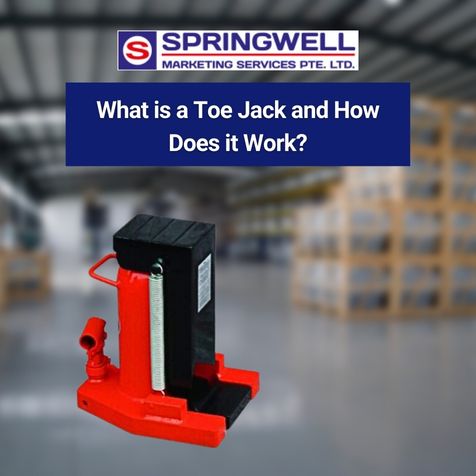
The toe jack is a common tool used in the construction and automotive industries, with a wide array of applications.
In general, toe jacks are a tool used to lift heavy objects from the ground.
Toe Jack and its Functionality
A toe jack is used for lifting, lowering and manoeuvring heavy objects away from the ground, typically made from steel or cast iron. Its name is derived from a long toe-shaped portion at the bottom of the tool which is inserted beneath the load, with a handle connected above that allows users to lift it.
Toe jacks are renowned for their versatility, as they can be used to lift heavy machinery, materials on construction sites or bulky objects. You will also observe toe jacks being utilised at automotive repair shops to raise vehicles off the ground.
The most exceptional attribute of toe jacks is their capacity to hoist items with extremely low and high clearances – a feature that sets them apart from other lifting devices which may not reach such heights in cramped spaces.
Depending on the style, toe jacks can vary from small, hand-operated versions that are capable of lifting between several hundred kilograms while larger mechanical models have the capacity to elevate thousands of kilograms.
Furthermore, toe jacks are often combined with other lifting tools to create a comprehensive system for hoisting heavy loads. Items like vehicles, machines, containers, pipes and any massive object can all be lifted using this tool.
Mechanics of a Toe Jack
The fork-shaped ‘toe’ at the front of this tool can carry large, heavy objects, with the handle as its main control panel. The toe jack is also equipped with a hydraulic pump and swivel function, allowing it to easily lift heavy loads and manoeuvre them around.
Operating a toe jack can be surprisingly straightforward.
One can operate the tool by placing the jack’s toe beneath whatever needs lifting, then using the handle to control it — turn it clockwise to lift and counterclockwise to lower. As the handle is turned, a series of levers located inside the jack operates vertically to elevate or reduce the base plate of the jack.
Final Takeaway
Toe jacks are fundamental in any workshop, factory, or construction site that requires lifting and moving large items. When used correctly, they can make the task of hoisting heavy objects effortless while also ensuring optimum safety standards.
When selecting a toe jack, it is essential to ensure that its size and lifting capacity are appropriate for the job at hand. Furthermore, it is critical to follow all of the instructions provided as well as wear protective gear while using one to minimize any possible injuries.