


Material Handling vs Logistics: What’s the Difference?
In warehouses, factories, and distribution centres, the terms material handling and logistics are often used interchangeably. While closely related, they are not the same. Understanding the difference between material handling and logistics is essential for businesses looking to improve efficiency, reduce costs, and maintain safe operations.
Both functions play a critical role in supply chain management, but they focus on different stages and activities within the movement of goods.
What Is Material Handling?
Material handling refers to the physical movement, protection, storage, and control of materials within a facility. It focuses on how goods are handled at specific points such as warehouses, production floors, and loading areas.
Material handling typically takes place within a single location and involves equipment, processes, and systems designed to move items safely and efficiently over short distances.
Common material handling activities include:
- Lifting, lowering, and positioning loads
- Transporting goods within warehouses or factories
- Loading and unloading trucks
- Supporting production and assembly processes
At its core, material handling is about how materials move within an operation, rather than where they are going.
What Is Logistics?
Logistics is a broader discipline that focuses on the planning, coordination, and management of goods movement across the entire supply chain. It covers how products move from suppliers to manufacturers, distributors, and ultimately to end customers.
Logistics involves both physical and strategic elements, including:
- Transportation planning and scheduling
- Inventory management
- Order fulfilment
- Distribution and delivery coordination
While material handling deals with execution at ground level, logistics focuses on big-picture flow, timing, and optimisation.
Key Differences Between Material Handling and Logistics
Although interconnected, material handling and logistics serve distinct purposes.
Material handling:
- Focuses on the internal movement of goods
- Relies heavily on physical equipment
- Operates within warehouses, factories, or facilities
- Prioritises safety, ergonomics, and efficiency
Logistics:
- Focuses on end-to-end supply chain movement
- Involves planning, coordination, and systems
- Extends across multiple locations and transport modes
- Prioritises cost control, delivery timelines, and customer satisfaction
In simple terms, material handling supports logistics, but logistics extends far beyond material handling.
Why Material Handling Is a Critical Part of Logistics
Without effective material handling, logistics operations quickly become inefficient. Poor lifting practices, inadequate equipment, or unsafe workflows can slow down order fulfilment and increase the risk of damage or injury.
Strong material handling systems help logistics by:
- Reducing loading and unloading times
- Improving inventory accuracy
- Minimising product damage
- Enhancing worker safety
Even the most well-planned logistics strategy can fail if material handling processes are inefficient on the ground.
Examples of Material Handling Equipment
Material handling relies on specialised equipment to move loads safely and consistently.
Common examples include:
- Pallet trucks and stackers
- Lifting tables and work positioners
- Trolleys and carts
- Drum handling equipment
These tools are designed to support specific tasks, reduce manual strain, and improve productivity within facilities.
How Logistics and Material Handling Work Together
In a typical warehouse operation, logistics sets the plan while material handling executes it.
For example:
- Logistics determines delivery schedules and shipment volumes
- Material handling ensures goods are picked, moved, and loaded efficiently
- Logistics tracks inventory and delivery performance
- Material handling maintains safe and organised workflows
When both functions are aligned, businesses benefit from smoother operations and faster turnaround times.
Common Misconceptions Between the Two
One common misconception is that material handling is simply manual labour. In reality, it involves engineered systems, ergonomic equipment, and carefully designed workflows.
Another misconception is that logistics can operate independently of material handling. In practice, poor material handling often leads to:
- Delayed shipments
- Increased labour costs
- Higher injury rates
- Damaged goods
Understanding the distinction helps businesses invest in the right solutions at the right stage.
Choosing the Right Focus for Your Operation
Businesses looking to improve operational efficiency should assess whether challenges stem from logistics planning or material handling execution.
Consider focusing on material handling improvements if you experience:
- Frequent bottlenecks during loading or picking
- High rates of manual handling injuries
- Inefficient movement within facilities
Logistics optimisation may be needed if issues relate to transport routes, inventory planning, or delivery timelines.
Often, the best results come from addressing both areas together.
Takeaway
Material handling and logistics are closely linked but serve different roles within the supply chain. Logistics focuses on planning and coordination across the entire journey of goods, while material handling concentrates on the physical movement and control of materials within facilities.
By understanding the difference, businesses can make better decisions about equipment, workflows, and operational improvements. Investing in effective material handling not only enhances safety and productivity but also strengthens the overall logistics process.
Springwell For Material Handling Equipments
At Springwell, we support businesses with reliable material handling equipment designed to improve efficiency, safety, and performance across warehouses, factories, and industrial environments.
The right equipment forms the foundation of smooth, dependable operations. Contact today!
Efficient material handling operations depend on well-maintained equipment. From pallet trucks to industrial racks, every component plays a critical role in ensuring smooth workflows.
However, even the best equipment requires maintenance and replacement parts. Properly storing spare parts for material handling equipment is essential to prevent damage, reduce downtime, and extend the lifespan of your assets.
At Springwell, we provide high-quality material handling solutions and guidance to optimise warehouse operations. Today, we will explore best practices for storing spare parts to keep your equipment functioning efficiently.
Why Proper Spare Parts Storage Matters
Improper storage of spare parts can lead to several issues:
- Damage and Corrosion: Moisture, dust, and physical impact can degrade components.
- Misplacement and Loss: Poor organisation leads to lost parts and unnecessary replacements.
- Delayed Maintenance: Without a reliable system, repairs take longer, affecting productivity.
- Safety Hazards: Unsecured parts can create clutter and risk injuries in the workplace.
By implementing organised and protective storage methods, businesses can maintain operational efficiency and minimise costs.
Best Practices for Storing Spare Parts
1. Categorise and Label Parts
Organise spare parts based on type, size, and function. Common categories include:
- Wheels and rollers
- Hydraulic components
- Bearings and gears
- Fasteners and bolts
- Electronic or sensor components
Label each category clearly with part numbers and descriptions. This improves inventory management and makes retrieval faster.
2. Use Appropriate Storage Equipment
The type of storage depends on the size, weight, and sensitivity of the spare parts:
- Boltless Racks and Shelving: Ideal for heavy components like motors, hydraulic pumps, and large pallets. Adjustable racks allow you to optimise space.
- Bins and Containers: Small parts, such as screws, nuts, and bolts, can be stored in labelled plastic or metal bins. Stackable containers save space and keep parts organised.
- Climate-Controlled Storage: Sensitive parts, such as electronic components or stainless steel pieces, should be stored in low-humidity, temperature-controlled areas to prevent corrosion and degradation.
Springwell offers a range of industrial racks and storage solutions designed for durability and efficiency in warehouses.
3. Maintain Cleanliness and Protection
Keeping spare parts clean is essential for hygiene and longevity:
- Dust and debris can affect moving parts and performance.
- Cover or wrap parts in protective materials if they are stored long-term.
- Ensure the storage area is dry, well-ventilated, and free from direct sunlight that may damage materials.
4. Implement an Inventory Management System
Tracking spare parts prevents overstocking or shortages:
- Use barcode or QR-based systems for fast identification.
- Maintain a digital log with purchase dates, quantities, and maintenance schedules.
- Conduct regular audits to reconcile physical stock with inventory records.
A reliable system ensures that the right parts are available when needed, and reduces downtime during maintenance.
5. Prioritise Accessibility and Safety
- Store frequently used parts at eye level or in easily reachable locations.
- Heavy or bulky items should be placed on lower shelves to prevent accidents.
- Clearly mark aisles and pathways to avoid hazards.
Safety should always be a top priority when organising spare parts in a busy warehouse or industrial environment.
Benefits of Proper Spare Parts Storage
Implementing an organised storage system for spare parts provides multiple benefits:
- Reduced Equipment Downtime: Quick access to components allows for faster repairs.
- Cost Efficiency: Minimise unnecessary replacements and reduce inventory losses.
- Extended Equipment Lifespan: Regular maintenance with available parts ensures machinery stays in top condition.
- Improved Workplace Safety: A well-organised storage area reduces the risk of accidents.
Efficient storage ultimately contributes to smoother operations, higher productivity, and better asset management.
Takeaway
Storing spare parts for material handling equipment is an essential aspect of warehouse and industrial management.
By categorising parts, using the right storage solutions, maintaining cleanliness, and implementing proper inventory management, businesses can ensure quick access to components, reduce downtime, and extend the life of their equipment.
Keep Your Operations Running Smoothly with Springwell
At Springwell, we provide high-quality material handling equipment, including pallet trucks, trolleys, and stainless steel handling solutions designed for durability and efficiency.
Our equipment helps your team move, transport, and manage goods effectively, making it easier to handle spare parts and other inventory safely and efficiently. Explore our range today to ensure your operations stay productive, safe, and reliable.
In industries such as food processing, pharmaceuticals, and healthcare, maintaining hygiene is not optional—it is essential. Any equipment used in these environments must meet strict cleanliness standards to prevent contamination.
When it comes to material handling, stainless steel pallet trucks have become the preferred choice for businesses that prioritise hygiene, durability, and efficiency.
At Springwell, we provide high-quality material handling equipment designed to meet the demands of sanitary environments. Today, we explore why stainless steel pallet trucks are ideal for hygienic operations, and how they can benefit your workflow.
Why Material Choice Matters in Hygienic Environments
Standard pallet trucks are often made from painted steel or regular metals that can corrode or accumulate dirt over time. In contrast, stainless steel offers several advantages for hygiene-critical operations:
- Corrosion Resistance: Stainless steel resists rust caused by water, cleaning agents, and chemical spills.
- Non-Porous Surface: Smooth surfaces prevent the accumulation of bacteria and contaminants.
- Easy to Clean: Stainless steel pallet trucks can withstand frequent washing and sanitisation without damage.
- Durable and Long-Lasting: Resistant to wear and tear, stainless steel trucks maintain structural integrity over time.
By using stainless steel, businesses can maintain a cleaner, safer environment while complying with industry hygiene standards.
Key Features of Stainless Steel Pallet Trucks
When selecting a stainless steel pallet truck, certain features make them ideal for hygienic environments:
1. Full Stainless Steel Construction
Unlike trucks with just stainless steel forks, fully stainless steel pallet trucks include the frame, handle, and wheels components.
This ensures every part that comes into contact with products is resistant to corrosion and easy to sanitise.
2. Smooth Surfaces and Rounded Edges
- Minimise areas where dirt or bacteria can accumulate
- Facilitate faster cleaning with standard sanitisation protocols
- Reduce the risk of cross-contamination in sensitive environments
3. Hygienic Wheel Options
- Polyurethane or nylon wheels resist chemical degradation and cleaning agents
- Non-marking wheels help maintain clean floors and prevent residue build-up
4. Adjustable and Ergonomic Handles
- Reduce operator fatigue and improve workflow efficiency
- Designed for easy sanitisation without compromising comfort
Advantages of Stainless Steel Pallet Trucks
Using stainless steel pallet trucks in hygienic environments offers multiple benefits:
1. Compliance with Industry Standards
Food processing, pharmaceutical, and medical facilities must adhere to strict hygiene regulations. Stainless steel trucks meet the requirements for:
- Regular washdowns
- Resistance to chemical cleaners
- Minimising contamination risks
2. Longevity and Durability
Stainless steel trucks resist corrosion, rust, and wear. Even under heavy daily use and repeated cleaning, they maintain performance, reducing replacement costs and downtime.
3. Improved Safety and Cleanliness
- Smooth stainless steel surfaces prevent residue build-up
- Non-porous construction reduces bacteria and contaminants
- Ergonomic design enhances operator safety and efficiency
4. Versatility
Stainless steel pallet trucks are suitable for a range of applications:
- Food processing plants
- Pharmaceutical warehouses
- Hospitals and healthcare facilities
- Laboratories and cleanrooms
Their durability and hygienic design make them adaptable across multiple industries.
Tips for Maintaining Stainless Steel Pallet Trucks
Even though stainless steel is highly resistant to corrosion, proper maintenance ensures longevity and hygiene:
- Regular Cleaning: Wipe down after each use with a mild detergent or approved disinfectant.
- Avoid Harsh Abrasives: Do not use steel wool or abrasive pads that can scratch the surface.
- Inspect Wheels and Moving Parts: Regularly check for wear to ensure smooth operation.
- Routine Lubrication: Use food-safe or chemical-resistant lubricants on moving parts when necessary.
Following these steps helps maintain both cleanliness and performance in your operation.
Takeaway
For businesses operating in hygiene-critical environments, stainless steel pallet trucks are the superior choice for material handling.
They combine durability, corrosion resistance, and easy maintenance, ensuring that your equipment meets stringent hygiene standards while improving workflow efficiency. Investing in stainless steel trucks supports safer, cleaner operations and long-term cost savings.
Upgrade Your Material Handling with Springwell
At Springwell, we specialise in high-quality material handling equipment, including pallet trucks, trolleys, and racks, designed for hygienic and industrial environments.
Our products are built to last, easy to maintain, and compliant with sanitation standards for food, pharmaceutical, and healthcare industries. Explore our range today and ensure your operations stay clean, efficient, and safe.
In fast-paced warehousing environments, efficiency and safety go hand in hand. Workers are constantly lifting, sorting, packing, and moving goods — tasks that, when done repeatedly without proper support, can lead to fatigue, reduced productivity, and serious musculoskeletal injuries.
While pallet trucks, forklifts, and lift tables often receive much of the attention, there is one versatile piece of equipment that is frequently overlooked: the work positioner.
Compact, mobile, and highly adaptable, work positioners have become an essential ergonomic tool for modern warehouses seeking to optimise workflow and improve worker well-being. At Springwell, we supply a range of work positioners designed to address the daily challenges of material handling in tight, high-demand environments.
What Is a Work Positioner?
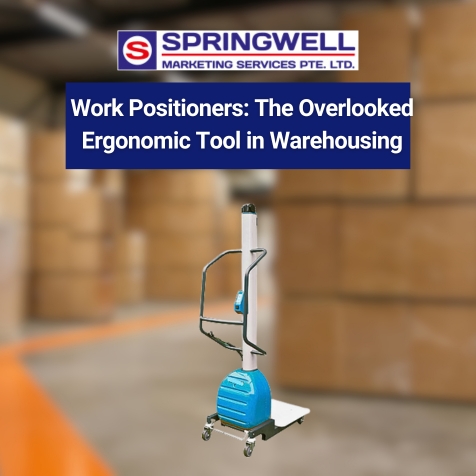
A work positioner is a lightweight lifting device designed to raise, lower, tilt, or position loads at the ideal working height. Unlike large lifting equipment, positioners are compact and easy to manoeuvre, making them perfect for repetitive tasks such as:
- Packing and unpacking
- Loading goods onto shelves
- Moving cartons and components
- Feeding materials into machines
- Handling small pallets or bins
They are commonly used in warehousing, logistics, manufacturing, retail, and assembly operations — essentially any setting where workers frequently handle loads by hand.
Why Work Positioners Are Overlooked
Despite their usefulness, work positioners are often overshadowed by larger equipment. This happens because:
1. Warehouses Focus on High-Capacity Tools
Forklifts, pallet jacks, and stackers are essential for heavy-duty tasks. However, lighter repetitive lifting — which makes up a huge portion of daily work — is sometimes neglected.
2. Many Injuries Come from Small Loads, Not Heavy Ones
Workers often assume that small or medium loads are “safe to lift,” leading to improper posture and repetitive strain.
3. Lack of Awareness
Many warehouse managers are simply unaware of how work positioners can improve workflow and reduce injury.
4. Perception of Cost vs. Value
Because positioners are smaller and less expensive than industrial machinery, some businesses underestimate their long-term benefits.
The reality is that work positioners often provide one of the highest returns on investment in material handling equipment.
How Work Positioners Improve Warehouse Ergonomics
1. Reducing Bending, Reaching & Stooping
Positioners elevate loads to a comfortable working height, preventing workers from bending repeatedly — a major cause of lower back injuries.
2. Improving Load Accessibility
Whether it’s cartons, bins, or components, work positioners ensure that items are always within easy reach.
3. Enhancing Precision for Delicate Items
For e-commerce fulfilment, pharmaceutical packing, or electronics assembly, positioners allow workers to handle items carefully and accurately.
4. Supporting Repetitive Tasks
Repetitive lifting, even at moderate weights, causes fatigue. Positioners lower physical strain and allow workers to maintain consistent speed throughout the day.
5. Minimising Injury Risks
By supporting safe movement and working posture, work positioners help reduce the likelihood of:
- Back strain
- Wrist and shoulder injuries
- Fatigue-related errors
- Accidental drops or product damage
Types of Work Positioners for Warehousing
Springwell supplies a wide range of ergonomically designed work positioners suited for different warehouse applications.
1. Manual Work Positioners
Best for light to moderate loads.
Suitable for:
- Packing stations
- Retail backrooms
- E-commerce fulfilment hubs
Advantages:
- Easy to operate
- Low maintenance
- Cost-effective for small operations
2. Electric Work Positioners
Ideal for high-frequency lifting tasks.
Suitable for:
- Logistics centres
- Industrial assembly lines
- Pharmaceutical and electronics warehouses
Advantages:
- Smooth, precise lifting
- Minimal physical effort
- Faster workflows
3. Stainless-Steel Work Positioners
Designed for cleanroom and hygienic environments.
Suitable for:
- Food processing facilities
- Pharmaceutical manufacturing
- Medical supply handling
Advantages:
- Corrosion-resistant
- Easy to sanitise
- Compliant with hygiene standards
4. Custom Attachments
Positioners can be fitted with attachments to handle:
- Drums
- Rolls
- Boxes
- Trays
- Components
This customisation makes them one of the most versatile pieces of material handling equipment in a warehouse.
Applications of Work Positioners in Warehousing
Work positioners can improve workflow across multiple warehouse zones, including:
- Receiving areas: Assisting with unloading and sorting
- Picking zones: Bringing items to ergonomic height for picking
- Packing stations: Reducing strain during carton preparation
- Assembly lines: Feeding parts and components
- Inventory rooms: Helping staff organise materials efficiently
Their compact size allows them to operate even in narrow aisles and confined spaces where forklifts cannot.
Why Every Warehouse Should Invest in Work Positioners
1. Higher Productivity
Workers perform tasks faster and more consistently with less fatigue.
2. Lower Risk of Injury
Reducing manual handling hazards helps lower workplace accidents and compensation claims.
3. Better Accuracy & Quality
Work positioners create stable, accessible workspaces that minimise errors and product damage.
4. Long-Term Cost Savings
By reducing injuries and improving workflow, work positioners often pay for themselves within months.
5. Improved Worker Satisfaction
Employees appreciate tools that reduce strain and improve comfort. Happier workers are more productive and less likely to take sick leave.
Conclusion
While often overlooked, work positioners are one of the most valuable ergonomic tools in warehousing. Compact, versatile, and highly effective, they help reduce repetitive strain, improve workflow efficiency, and protect workers from injury.
In fast-moving warehouse environments where health and productivity matter, investing in the right material handling equipment — including work positioners — can significantly elevate operational performance.
For businesses looking to enhance their warehouse ergonomics, Springwell’s range of high-quality work positioners offers a reliable, professional solution tailored to your material handling needs.
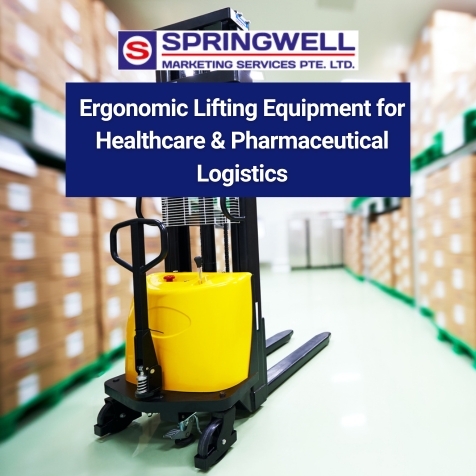
In the healthcare and pharmaceutical sectors, logistics operations demand the highest levels of safety, hygiene, and precision. From handling sensitive medical supplies to transporting heavy cartons of pharmaceuticals, staff are frequently required to lift, move, and position loads throughout the day. Without proper equipment, these repetitive tasks can lead to musculoskeletal injuries, reduced productivity, and compromised safety standards.
This is where ergonomic lifting equipment plays an essential role. Designed to reduce physical strain and streamline workflow processes, ergonomic lifting solutions help healthcare and pharmaceutical facilities maintain efficiency while protecting their workforce.
At Springwell, we offer a range of lifting technologies that meet the demanding needs of these highly regulated environments.
Why Ergonomics Matters in Healthcare & Pharmaceutical Logistics
Healthcare and pharmaceutical logistics involve a combination of sensitive materials, strict handling protocols, and fast-paced operational demands. Employees often manage:
- Heavy medical supplies
- Bulk pharmaceutical cartons
- Diagnostic equipment
- Sterile products requiring careful handling
- Temperature-sensitive or fragile items
Without ergonomic support, workers may be exposed to risks such as:
- Lower-back injuries
- Repetitive strain injuries (RSIs)
- Shoulder or wrist strain
- Fatigue leading to operational errors
Ergonomic lifting equipment ensures tasks are performed safely, minimising physical load while meeting stringent industry standards.
Common Challenges in Medical & Pharmaceutical Handling
1. Heavy Load Handling
Medical supplies and pharmaceutical shipments often arrive in bulk. Manually lifting cartons, containers, or medical devices not only slows down operations but poses high injury risks.
2. Maintaining Sterility
Manual handling increases the chance of contaminating sterile or sensitive items. Ergonomic lifting tools help maintain hygiene compliance by reducing direct contact.
3. Space Constraints
Hospitals, clinics, and pharmaceutical warehouses often operate in tight spaces. Compact, manoeuvrable lifting equipment ensures safe handling without disrupting workflow.
4. Fast Turnaround Requirements
Pharmaceutical products such as vaccines, medications, and medical consumables need to move quickly. Ergonomic lifting solutions speed up loading, unloading, and replenishment processes.
Types of Ergonomic Lifting Equipment Suitable for Healthcare & Pharmaceutical Logistics
Below are equipment types commonly used across hospitals, pharmaceutical warehouses, manufacturing plants, and medical supply chains — all of which Springwell supplies or supports.
1. Electric Lifters & Stackers
Electric lifters provide controlled, stable lifting for items such as:
- Medication cartons
- Diagnostic devices
- Medical consumables
- Heavy packaging materials
Key benefits:
- Reduces manual lifting
- Smooth, controlled lifting height adjustments
- Compact design ideal for hospitals and cleanroom areas
- Minimises contamination risk by reducing physical contact
These are especially useful in pharmacy distribution centres and medical supply stores.
2. Vacuum Lifting Systems
Vacuum lifters are widely used in pharmaceutical manufacturing for safely handling:
- Cartons
- Drums
- Sacks of raw materials
- Sterile packs
- Sealed containers
Advantages include:
- Touch-free lifting to maintain sterility
- Reduced strain during repetitive lifting
- Increased speed when picking and placing items
- Suitable for clean-room environments
Vacuum lifting is particularly beneficial in processes involving powdered ingredients, liquid formulations, or batch packaging.
3. Mobile Scissor Lift Tables
Mobile lift tables provide safe lifting and height-adjustment for heavy loads, ideal for:
- Transferring medical equipment
- Loading materials onto shelves
- Handling bulk medications
- Positioning items for inspection or packing
Benefits:
- Adjustable height settings reduce bending and overreaching
- Stable platforms for heavy or bulky loads
- Easy mobility for flexible workflows
- Hygienic stainless-steel options for medical environments
4. Drum Handling Equipment
Pharmaceutical manufacturers often handle liquid and chemical components stored in drums or barrels.
Drum handlers make it safe to:
- Lift
- Tilt
- Rotate
- Transport
Why they’re essential:
- Prevent spills and contamination
- Reduce employee exposure to chemicals
- Minimise the risk of workplace injuries
5. Pallet Trucks & High-Lift Pallet Movers
For pharmaceutical logistics centres or hospital supply bays, pallet trucks help transport bulk shipments efficiently.
Ergonomic advantages:
- Reduce physical strain during heavy pallet movement
- Suitable for cold rooms or temperature-controlled storage
- Electric models offer greater ease for high-frequency use
How Ergonomic Lifting Equipment Improves Healthcare & Pharmaceutical Operations
1. Protects Staff from Injury
Musculoskeletal injuries are a major cause of downtime. Ergonomic lifting solutions significantly reduce heavy lifting and repetitive strain.
2. Enhances Productivity
Automated or assisted lifting speeds up workflows, especially in fast-moving pharmaceutical supply chains.
3. Improves Accuracy & Material Handling Quality
Stable, controlled lifting helps protect fragile pharmaceuticals, sterile items, and medical devices.
4. Strengthens Safety & Compliance
Proper lifting equipment supports workplace safety standards and enhances adherence to hygiene protocols.
5. Reduces Cross-Contamination Risks
Minimising manual contact is crucial in sterile and clean-room operations.
Choosing the Right Lifting Equipment for Your Facility
When selecting ergonomic lifting tools, consider:
- Load weight and frequency
- Type of materials handled (sterile, fragile, chemical)
- Available floor space
- Workflow layout
- Cleanroom or hygiene requirements
- Staff training needs
Springwell provides a range of solutions tailored to the healthcare and pharmaceutical sectors, ensuring that your chosen equipment aligns with operational, safety, and regulatory needs.
Takeaway
Ergonomic lifting equipment is no longer optional in healthcare and pharmaceutical logistics — it is essential for maintaining safety, efficiency, and compliance. By reducing physical strain, improving accuracy, and protecting sensitive materials, ergonomic lifting solutions and material handling equipment help create a healthier and more productive workplace.
Whether you’re managing a hospital supply chain, pharmaceutical warehouse, manufacturing plant, or clean room facility, Springwell’s ergonomic lifting systems and material handling equipment can transform the way your operations handle, move, and transport goods with confidence and precision.