Manual stackers and powered stackers are two types of lifting equipment used in warehouses and other industrial settings. Both have their own advantages and disadvantages, and the choice between the two ultimately depends on a variety of factors, such as budget, workload, and specific needs of the warehouse.
Today, we will compare manual stackers with powered stackers to help you determine which type is best suited for your warehouse.
Manual Stackers
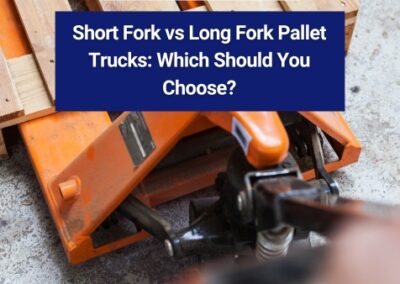
Manual stackers, also known as hand pallet trucks or hand-powered lift trucks, are operated by a person pushing or pulling a handle to manually lift and lower loads.
They are typically used for low- to medium-duty applications and have a maximum lifting capacity of around 2,000 pounds.
Advantages of Manual Stackers
- Cost-effective: Manual stackers are typically more affordable than powered stackers due to their simplicity and lack of expensive components.
- Versatile: These stackers can be used in a variety of warehouse settings, including narrow aisles and tight spaces.
- Easy to operate: With no electrical components or complicated controls, manual stackers are easy for anyone to use, with minimal training required.
- Lower maintenance costs: Since there are fewer moving parts, manual stackers have lower maintenance costs compared to powered ones.
Disadvantages of Manual Stackers
- Limited lifting capacity: As mentioned earlier, manual stackers have a maximum lifting capacity of around 2,000 to 3,000 pounds. This may not be enough for some warehouses that handle heavier loads.
- Slower compared to powered stackers: Manual stackers are slower in operation than powered ones. This can result in slower productivity and longer wait times for loading and unloading tasks.
- Requires physical effort: Unlike powered stackers that use electricity or fuel, manual stackers require physical effort from the operator. This can put a strain on the body and may lead to fatigue or injuries over time.
- Not suitable for outdoor use: Due to their limited lifting capacity and slow operation, manual stackers are not recommended for outdoor use or rough terrain. They are better suited for indoor operations on smooth surfaces.
Powered Stackers
Powered stackers, also known as electric or motorised stackers, are a type of material handling equipment that uses electricity or fuel to lift and move loads.
Composed of a mast, forks or platform, and a power source, powered stackers provide efficient and ergonomic solutions for material handling.
Advantages of Powered Stackers
- Increased Efficiency: With the ability to lift and move heavy loads, powered stackers offer increased efficiency compared to manual stackers. They can also handle larger loads and operate at a faster speed.
- Ergonomic Design: Powered stackers are designed with ergonomics in mind, reducing strain on workers and promoting safe material handling practices. This helps prevent injuries and improves overall productivity.
- Versatile Applications: Unlike manual stackers, powered stackers can be used for both indoor and outdoor operations, making them more versatile. They can also be equipped with different attachments to handle various types of materials.
Disadvantages of Powered Stackers
While powered stackers offer many advantages, they also have some disadvantages that should be taken into consideration before making a purchase decision. These include:
- Higher Cost: Powered stackers are more expensive than manual ones due to their complex machinery and components.
- Maintenance Requirements: Powered stackers require regular maintenance to ensure proper functioning, which can add up to the overall cost of ownership.
- Limited Maneuverability: Unlike manual stackers, powered ones have limited manoeuvrability due to their larger size and weight. This can make it challenging to navigate through narrow aisles or small spaces.
- Training Requirements: Operating a powered stacker requires specialised training and certification, which can be time-consuming and add to the initial cost of purchasing the equipment.
How To Choose The Right Stacker For Your Needs
When considering whether a manual or powered stacker is the right choice for your business, it’s essential to consider the specific needs and requirements of your operations. Here are some factors to keep in mind when selecting a stacker:
- Load Capacity: Determine the maximum weight that you will need to lift on a daily basis and select a stacker with an appropriate load capacity.
- Lift Height: Consider the height of your storage racks or shelves and choose a stacker with enough lifting height to reach them.
- Type of Load: If you have irregularly shaped or fragile loads, opt for a powered stacker with adjustable forks or specialized attachments to ensure safe and secure handling.
- Manoeuvrability: Evaluate the layout of your warehouse or storage facility and select a stacker with the appropriate turning radius and manoeuvering capabilities to navigate through narrow aisles or tight spaces.
- Durability: Consider the construction materials and overall build quality of the stacker to ensure its durability and longevity under heavy use.
Takeaway
In summary, selecting the right stacker for your material handling needs requires careful consideration of several factors.
By taking into account the weight and dimensions of your loads, as well as the specific requirements of your work environment, you can choose a stacker that will enhance efficiency, safety and durability in your operations.
Keep in mind that regular maintenance and proper training for operators are also crucial to ensuring the longevity and optimal performance of your stacker equipment.