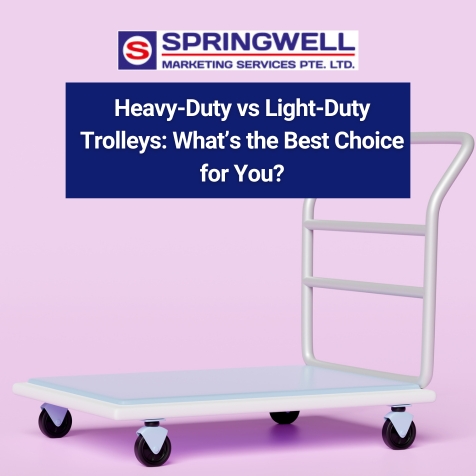
When it comes to transporting goods efficiently, trolleys are a go-to solution for professionals in various industries. But deciding between a heavy-duty or a light-duty trolley can be tricky if you don’t know exactly what you need. Choosing the right type is crucial for optimising your workflow, ensuring safety, and protecting your investment.
Today, we’ll take a closer look at the key differences between heavy-duty and light-duty trolleys, what they’re best suited for, and how to decide which one is the right choice for your requirements.
Why the Right Trolley Matters?
Whether you’re running a warehouse, managing a retail store, or even just organising your home garage, having the right trolley can make a world of difference.
A poorly chosen trolley can lead to inefficiencies, potential injuries, and even unnecessary wear and tear on your tools and equipment. On the other hand, the right trolley makes the transportation of goods safer, faster, and more convenient.
Here’s where understanding the distinction between heavy-duty and light-duty trolleys becomes essential. Beyond just size and weight capacity, these trolleys are designed for different needs and contexts, offering specific features that cater to particular tasks.
What Is a Heavy-Duty Trolley?
Heavy-duty trolleys are robustly designed to carry and move exceptionally heavy loads. These are the trolleys you’d find on factory floors, in warehousing operations, or in environments where tough jobs demand durable equipment.
Key Features of Heavy-Duty Trolleys:
- High Weight Capacity: Most heavy-duty trolleys can handle loads starting from 500 kg and upward, depending on the model.
- Durable Materials: They are typically made from reinforced steel or industrial-grade aluminium, ensuring maximum resilience.
- Larger Wheels: Designed for easier manoeuvring over rugged or uneven surfaces.
- Customisation Options: Many offer extensions, shelves, or ergonomic handles that cater to specific industrial needs.
- Longer Lifespan: Built to endure wear and tear even under challenging conditions.
Best Applications for Heavy-Duty Trolleys:
- Warehouses and manufacturing plants for heavy equipment and items.
- Construction sites to transport building materials.
- Automotive workshops for parts and machinery.
- Event setups involving bulky staging equipment or gear.
What Is a Light-Duty Trolley?
Light-duty trolleys, as the name suggests, are engineered for tasks that involve carrying lighter and smaller items. They are often more compact and agile, designed for more straightforward jobs and environments where ease of use and manoeuvrability are a priority.
Key Features of Light-Duty Trolleys:
- Lower Weight Capacity: Light-duty options typically support anywhere from 50 kg to around 200 kg.
- Lightweight Build: Often made from aluminium or plastic, ensuring easy portability.
- Compact Design: These trolleys are sleek, making them well-suited for tighter spaces like offices or retail spaces.
- Simple Maintenance: With fewer heavy-duty components, these trolleys tend to be easy to clean and maintain.
- Cost-Effective: They are typically less expensive than heavy-duty options, contributing to a lower upfront investment.
Best Applications for Light-Duty Trolleys:
- Retail environments for stocking shelves or moving inventory.
- Offices to transport files, stationery, or small equipment.
- Homes for moving gardening tools, small furniture, or DIY materials.
- Libraries and schools for organising and transporting books or supplies.
Comparing Heavy-Duty and Light-Duty Trolleys
Understanding the key differences between heavy-duty and light-duty trolleys can help you select the right option for your specific needs.
Weight Capacity:
- Heavy-duty trolleys: Can handle 500 kg and above.
- Light-duty trolleys: Support up to 200 kg.
Material Construction:
- Heavy-duty trolleys: Made from reinforced steel or heavy aluminium for maximum durability.
- Light-duty trolleys: Constructed from lightweight aluminium or plastic for easy handling.
Best Suited For:
Heavy-duty trolleys: Ideal for industrial settings and heavy workloads.
Light-duty trolleys: Perfect for use in offices, retail environments, and homes.
Ease of Maneuvering:
Heavy-duty trolleys: Built to be used on rugged terrain, but may be harder to handle in tight spaces.
Light-duty trolleys: Compact, easy to manoeuver, and suitable for indoor use.
Cost:
Heavy-duty trolleys: Higher cost reflects increased durability and load capacity.
Light-duty trolleys: More budget-friendly, making them accessible for everyday tasks.
When to Choose a Heavy-Duty Trolley?
Opt for a heavy-duty trolley if your operations involve consistently moving large or heavy items. They are ideal for businesses where safety is paramount, such as manufacturing, construction, or logistics. The higher upfront investment in a heavy-duty trolley pays off over time, as these trolleys are built to withstand heavy wear.
However, if your use case does not demand carrying heavy loads, a heavy-duty option might be overkill and less cost-effective.
When to Choose a Light-Duty Trolley?
Light-duty trolleys are a fantastic option for lighter tasks such as moving goods efficiently around a workspace or home. Their ease of manoeuvrability, combined with affordability, makes them the preferred choice for smaller-scale tasks. They’re especially suited to environments where precision matters, such as in retail stores or offices.
But remember, pushing a light-duty trolley beyond its maximum capacity can compromise not only the trolley but also your safety.
Making the Right Choice for Your Needs
Choosing between a heavy-duty and light-duty trolley comes down to understanding your specific needs:
- Evaluate Load Capacity: Think about the maximum weight you’ll need to transport on a regular basis.
- Identify Your Work Environment: Rugged spaces demand durable wheels and reinforced construction, making heavy-duty options more suitable.
- Consider Frequency of Use: High-frequency, heavy-weight tasks lean towards heavy-duty, while periodic, lighter tasks favour light-duty models.
- Budget: Light-duty trolleys are more affordable, but heavy-duty trolleys deliver better long-term durability.
Takeaway
Both heavy-duty and light-duty trolleys offer incredible benefits, but they serve very different purposes.
By understanding your workflow and the specific demands of your tasks, you can choose the right trolley to improve efficiency and productivity. Don’t just buy any trolley; invest in one that fits your unique requirements.
Still unsure which trolley suits your needs? Our team of experts is here to help you make the right choice. Contact us today or explore our extensive range of hand trolleys today.