Working at height remains one of the most dangerous activities in construction, maintenance, and industrial work. Falls from height are a leading cause of workplace deaths in Singapore, accounting for a significant proportion of fatalities annually, according to the Ministry of Manpower (MOM).
Elevated work platforms offer a safer option than ladders or scaffolding for many tasks, but also come with risks. Following proper safety protocols can be the difference between completing a job safely and facing serious injury.
Today, we will explore the essential safety guidelines for using elevated work platforms, from pre-use inspections to emergency procedures, helping protect lives and ensure compliance with health and safety regulations.
Understanding Different Types of Work Platforms
Before examining safety protocols, it’s crucial to understand the various types of elevated work platforms available and their specific applications.
Mobile Elevated Work Platforms (MEWPs)
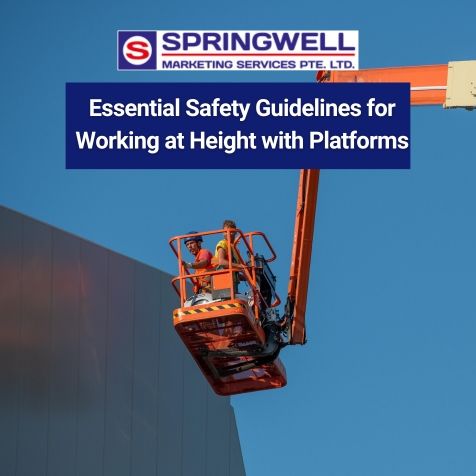
Mobile elevated work platforms include scissor lifts, boom lifts, and cherry pickers. These machines offer excellent mobility and can reach significant heights, making them ideal for construction, maintenance, and installation work.
Each type has specific weight limits, reach capabilities, and terrain requirements that directly impact safety procedures.
Static Work Platforms
Static platforms include scaffolding systems, podium steps, and fixed access platforms.
While these don’t offer the mobility of MEWPs, they provide stable work surfaces for extended tasks. Their safety considerations focus more on proper assembly, load distribution, and fall protection systems.
Temporary Access Platforms
These include tower scaffolds, mobile tower systems, and temporary staging areas.
They’re commonly used for short-term projects and require careful attention to ground conditions, stability, and proper assembly procedures.
Pre-Use Safety Inspections
Every elevated work platform requires thorough inspection before use, regardless of when it was last checked. This critical safety step can prevent equipment failures that lead to serious accidents.
Visual Inspection Checklist
Start with a comprehensive visual examination of the entire platform. Look for obvious damage such as cracks, dents, or missing components.
Check all welds, joints, and connection points for signs of stress or wear. Inspect the platform deck for damage, ensuring it’s clear of debris and provides adequate grip.
Pay particular attention to hydraulic systems, looking for leaks, damaged hoses, or worn fittings. Examine tyres or tracks for proper inflation, wear patterns, and damage that could affect stability.
Functional Testing
After visual inspection, conduct functional tests of all systems. Test all controls to ensure they respond appropriately and smoothly.
Check emergency stop functions and lowering systems. Verify that safety devices, such as tilt sensors and overload protection systems, are working correctly.
Test communication systems if the platform is equipped with them, and ensure all warning lights and alarms function properly.
Documentation Requirements
Record all inspections according to your organisation’s procedures and regulatory requirements. Note any defects found and actions taken.
Never use equipment that fails inspection until repairs are completed by qualified personnel.
Personal Protective Equipment Requirements
Proper PPE forms a critical line of defence when working at height with platforms. The specific requirements may vary depending on the type of platform and work being performed.
Fall Protection Systems
Full body harnesses are typically required when working from MEWPs, even though the platform provides a protected working area. The harness should be attached to designated anchor points within the platform basket, never to adjacent structures.
Ensure harnesses fit properly and are in good condition. Check all buckles, stitching, and metal components before each use. Replace any harness showing signs of wear or damage.
Additional PPE Considerations
- Hard hats protect against falling objects and should be worn at all times.
- Safety boots with a good grip help prevent slips on platform surfaces.
- High-visibility clothing ensures workers remain visible to ground personnel and equipment operators.
Consider additional protection based on the specific work environment, such as eye protection for grinding operations or respiratory protection in dusty conditions.
Safe Operating Procedures
Following established operating procedures helps prevent the majority of platform-related accidents. These procedures should be tailored to your specific equipment and work environment.
Pre-Operation Setup
Before raising any platform, ensure the ground surface is level, stable, and capable of supporting the equipment’s weight. Extend outriggers or stabilisers according to manufacturer specifications.
Check that the area below and around the platform is clear of personnel and obstacles.
Establish communication protocols with ground personnel and ensure emergency procedures are understood by all team members.
During Operation
Maintain three points of contact when entering or exiting platforms. Keep the platform basket clean and organised, avoiding overloading with tools and materials.
Never exceed the platform’s rated capacity, including personnel, tools, and materials.
Avoid sudden movements that could destabilise the platform. Move the platform gradually and be aware of overhead obstacles, power lines, and other hazards.
Weather Considerations
Wind conditions significantly impact platform safety. Most manufacturers specify maximum wind speeds for operation, typically around 12-15 metres per second. Stop work immediately if conditions exceed safe limits.
Rain, ice, and snow create additional hazards through reduced visibility and slippery surfaces. Adjust work procedures accordingly or postpone operations until conditions improve.
Emergency Procedures and Rescue Plans
Despite best efforts, emergencies can occur when working at height. Having clear emergency procedures and rescue plans can save lives.
Emergency Communication
Establish reliable communication methods between platform operators and ground personnel. This might include two-way radios, mobile phones, or hand signals for shorter distances. Ensure backup communication methods are available.
Ground personnel should be trained to recognise emergency situations and know how to respond appropriately.
Equipment Failure Response
If platform controls fail, remain calm and use emergency lowering procedures as specified by the manufacturer. Most platforms have manual or auxiliary lowering systems that can bring the platform down safely.
Never attempt to exit a platform at height unless facing immediate life-threatening danger. Wait for proper rescue procedures to be implemented.
Rescue Planning
Develop site-specific rescue plans before beginning work. Identify qualified rescue personnel and ensure necessary equipment is available. Consider factors such as access routes, medical response, and communication with emergency services.
Regular rescue drills help ensure procedures work effectively and personnel understand their roles during emergencies.
Staying Safe While Working at Height
Working at height with platforms requires strict attention to safety procedures and hazard awareness. Success relies on proper equipment, thorough inspections, training, and consistent safe practices.
Safety is everyone’s responsibility—operators, ground personnel, and supervisors. Regular communication, ongoing training, and commitment to procedures ensure everyone goes home safely.
Springwell for Material Handling Equipment
Discover reliable, high-quality material handling solutions with Springwell. From pallet trucks to jib cranes, we provide equipment designed to streamline your operations and boost efficiency.
Partner with us to find the right tools for your business and keep your workflow moving seamlessly. Contact us today!