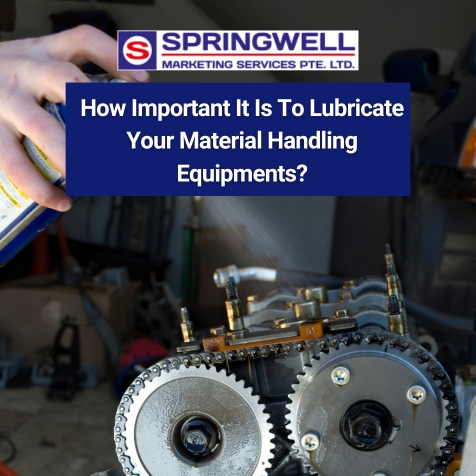
Material handling equipments are a crucial part of any industry or manufacturing facility.
These equipments play a vital role in the smooth functioning and productivity of various operations. From lifting heavy objects to transporting goods, material handling equipment has made tasks easier, faster and more efficient.
One important aspect of maintaining these equipments is regular lubrication. It involves applying a lubricant to the moving parts of the equipment to reduce friction and wear, thus increasing its lifespan and performance.
Today, we will discuss the importance of oil-lubricating your material handling equipment and how it can benefit your business.
Reasons To Regularly Lubricate Material Handling Equipments
Regular lubrication is vital for the smooth functioning and longevity of material handling equipment. Here are some reasons why you should make it a priority in your maintenance routine:
a) Prevents Wear And Tear
Material handling equipments are constantly exposed to heavy loads and repetitive movements, which can cause friction between the moving parts. This friction can lead to wear and tear, resulting in costly repairs or replacements.
By regularly lubricating your equipment, you reduce the amount of friction between the parts, thus prolonging their lifespan.
b) Reduces Maintenance Costs
As mentioned earlier, regular lubrication helps prevent wear and tear on material handling equipments.
This not only extends their lifespan, but also reduces the need for frequent maintenance and repairs. This ultimately saves your business money by minimising downtime and costly repairs.
c) Improves Performance
Well-lubricated equipment operates more smoothly and efficiently, leading to improved performance. This is especially important in material handling operations, where time and speed are critical factors.
By regularly lubricating your equipment, you can maintain its optimal functioning and ensure that it performs at its best.
d) Prevents Accidents
Neglecting to lubricate your material handling equipment can lead to malfunctions or breakdowns that can potentially cause accidents in the workplace.
Regular lubrication helps keep your equipment in good working condition and reduces the risk of accidents, ensuring a safe working environment for employees.
What Equipment to Lubricate?
As mentioned earlier, lubricating your equipment is important for its proper functioning and longevity. However, it can be overwhelming to determine which parts of your equipment need to be lubricated. Here are some common types of equipment that require regular oil lubrication:
- Forklifts:
- Conveyor systems
- Cranes
- Hoists
- Pallet jacks
- Automated guided vehicles (AGVs)
- Scissor lifts
It’s crucial to refer to your manufacturer’s manual for specific instructions on where and how often each part of the equipment should be lubricated.
Types of Lubricants
There are various types of lubricants that can be used for equipment maintenance. The most common types include:
- Oil-based lubricants: These are the most commonly used type of lubricant, and can range from mineral oils to synthetic oils.
- Grease: This type of lubricant is typically made up of oil and a thickening agent, such as lithium or calcium, which helps it stick to surfaces longer.
- Dry lubricants: These are usually in powdered form and are best used for high temperature applications where other types of lubricants may not work as effectively.
It’s important to choose the right type of lubricant for your equipment based on factors such as temperature, load capacity, and environment. Using the wrong type of lubricant can lead to equipment failure and costly repairs.
Factors to Consider
When selecting a lubricant, it’s essential to consider the following factors:
- Temperature: The operating temperature of your equipment is a crucial factor in determining the type of lubricant you should use. Some lubricants may break down or become less effective under high temperatures, while others are specifically designed for extreme temperature conditions.
- Load capacity: The amount of pressure and weight your equipment handles also plays a role in choosing the right lubricant. Heavy machinery with high load capacities will require a more robust and durable lubricant to withstand the stress placed on it.
- Environment: Different environments, such as wet or dusty conditions, can affect the performance of lubricants. For example, if you’re working in a wet environment, you may need to use a water-resistant lubricant to prevent it from washing away.
- Compatibility: It’s essential to consider the compatibility of your chosen lubricant with your equipment and other components. Using an incompatible lubricant can cause damage and reduce its effectiveness.
Takeaway
Choosing the right lubricant is crucial for maintaining and prolonging the life of your material handling equipment.
Consider factors such as viscosity, base oil type, additives, operating conditions, and compatibility when selecting a lubricant. Regularly check and monitor its performance to ensure adequate protection.
By selecting and using the right lubricant, you can save time and money in the long run by preventing costly equipment repairs or replacements.